
Macrocycles
Macrocycles
By Andy Newell
Microcycles, mesocycles, and macrocycles of ski training all revolve around the principle of supercompensation and adaptation. When there is a specific goal we want to accomplish in our ski training over several weeks, months, or years we periodize our training to reflect those goals.
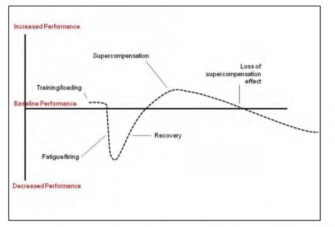
Supercompenation Image – USSA coaches manual
A Macrocycle of training can mean different things in different sports but in cross- country skiing a Macrocycle is typically 1 year. Sometimes experienced Olympic level athletes will incorporate an even larger 4-year macrocycle into their training by loading volume on non-championship years and then dropping total hours and increasing intensity on Olympic seasons.
A 1-year macrocycle for skiers starts and finishes in the spring. Here in the US we use the week of May 1stas the start of our training year. From May 1stour new macrocycle will reflect periodized training that will help us reach our new upcoming goals of the ski season.
Just like all forms of periodized training a macrocycles needs it’s recovery phase as well as a stress phase. This is why skiers take their most substantial recovery weeks in the spring before starting a new macrocycle.
For some skiers this means extremely light training for 3-4 weeks with little or no intensity. For others it means taking a few weeks completely off from training.
The amount of recovery time a skier takes in the spring will be determined by the amount of intense racing they have done in February, March, and April and will also depend on the athlete’s age. In general it’s good to keep young athletes (ages 13-18) pretty active in the spring because they don’t have an extensive training base to support a long break from training.
Older athletes who have trained more than 600 hours per year will likely taper their training more in the spring and take a few weeks off. This allows for supercompensaiton on a macro scale. The idea is to make sure the skiers are rested enough to support an entire years worth of training and experience adequate adaptation through their training. 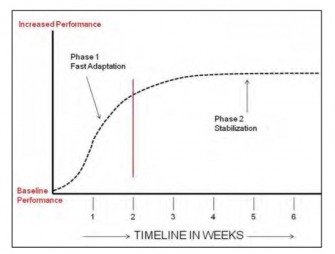
Skiers who don’t rest enough in the spring run the risk of not adapting to their summer training as well as expected.