Insights from a Gen Z coach on coaching Gen Z
By Lizzie Larkins
At the recent Women’s Ski Coaches Association Conference in Park City, Dr. Betsy Butterick presented her research on Gen Z athletes. She has a specific course you can take on coaching this unique generation. During her lecture, she acknowledged that many coaches in the room were actively coaching Gen-Z athletes and many of us are also considered Gen Z. In the craft of coaching, the more I think I know, the less I actually know. However, in Betsy’s presentation, I knew there are insights I have as a coach that are because I am part of Gen Z. Gen Z by definition is anyone born anytime between 1997 and 2012. For a long time, I have felt squirmy as a young coach, but here are some takeaways from Betsy’s presentation that I have used to connect with this unique generation of athletes:
Validation Station
The athletes in the current generation rely heavily on external validation. As humans, we all do. However, this generation grew up with devices in hand and the internet as a constant resource. Because of this and the societal pressures to be exceptional, these humans look outside of themselves for acceptance, reassurance, and recognition. With unlimited social media access, these athletes put a lot of pressure on themselves on and off skis. One of the most important things we can do as coaches is encourage athletes to hang posters on their wall and to follow their role models on social media and consistently remind them that the only way to get there is to be themselves.

8 seconds: Ways to make it count
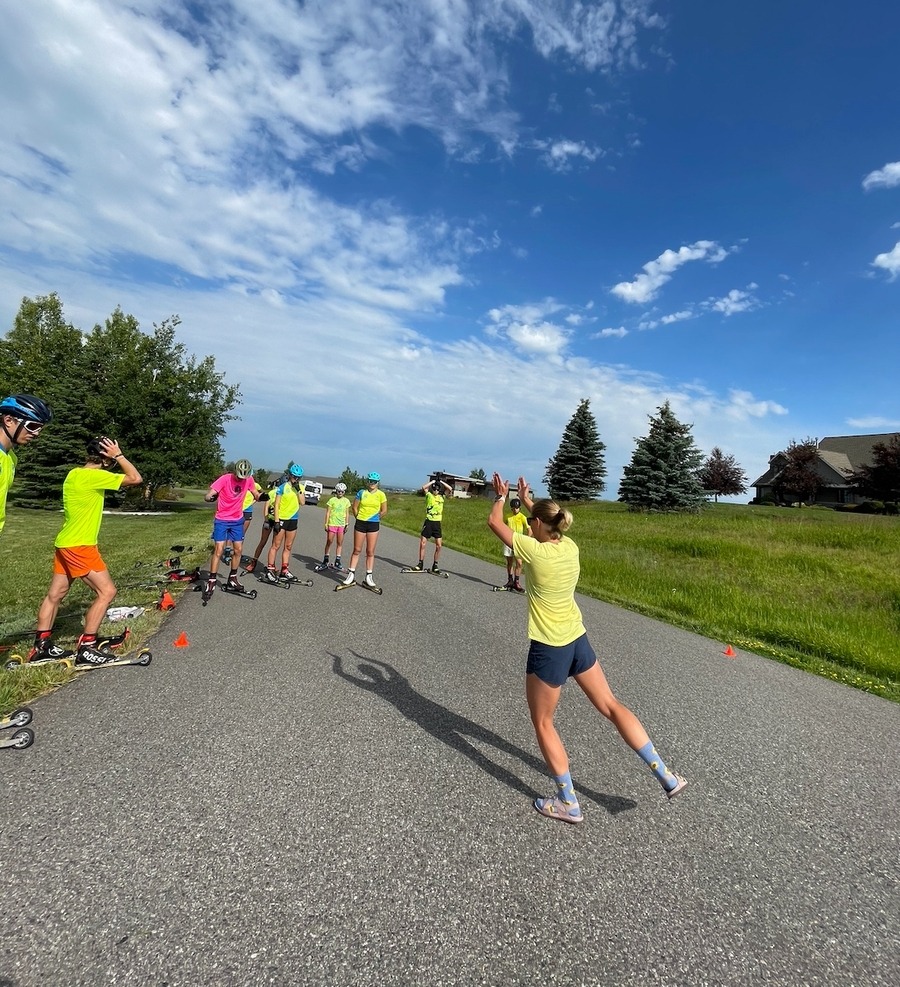
The data shows that Gen Z has an attention span of 8 seconds. With that said, their radar of information is always on and they are experts at accessing information. From the coaching perspective, many athletes are coming to practice after school, work, or hours of forced focus on other tasks. Their attention span is often maxed out before they even get to practice and are asked to focus. They often read the practice plan, team email, and information distributed about practice in passing. I certainly do and then I revisit it multiple times. All of these factors in combination with the complexity of factors in Nordic skiing mean we have to be prepared and clear. Clarity in the practice plan and how day to day training fits into the bigger picture annual plan means a lot to athletes. How this information is presented is where we have to get creative. Since Gen Z has mastered instant messaging, they know how to read into things. Using visual cues, alternating the presentation of information among the coaching staff, breaking drills and ideas in small chunks, involving movement, or even explaining the workout while doing the warm-up jog are all considerations for how to engage athletes. Athletes often want to go and build jumps or social ski with their friends to unplug. Creating designated times for this in the practice plan may open up opportunities for your athletes to plug in more when you ask them to.
Athletes need to feel supported as humans to excel as athletes
This year, one of my summer projects was to build an “essentials” kit that we keep in our team vehicles. In these kits, I stocked electrolytes, rollerski ferrules, first aid kits, high-vis vests, tools to fix rollerskis, tampons, hair ties, and other items that the athletes often ask about or need in a pinch during training sessions. When I had the idea to make these kits, it was to make things run smoother at practice. Now, I see them for something more. These kits are actually to support the well-being of the humans on our team. By having extra rollerski tips or hair ties at the ready, the humans do not have to carry stress around these small things into training. Our athletes know what’s in the essentials kits and it shows that we know a few things they might need as humans to perform as athletes. There are many ways to incorporate this concept into programming and this is what our approach has been.
In skiing, there are many twists, turns, ups, and downs and as we navigate the situations that arise, we can all perform better and approach difficult terrain when our baseline needs are met. It makes the adventure of it all more enjoyable. This requires being aware of what you need, what the athletes might need, and communication around what that looks like for the athletes you are working with. Having our essentials kits in the vehicles and having all of the athletes aware of what's in them is saying: Here’s what you might need, but what do you need today, tomorrow, and this season in your pursuit of skiing? As coaches, we have an understanding of what our athletes need to get where they want to go. At the same time, there is a lot to learn from our athletes to understand how to support them where they’re at.
These are some considerations for working with and understanding Gen Z athletes and coaches. They are not guidelines, instead I view them as starting points to open up communication streams. In hopes of not over-complicating the messages here, I want to share with you a message I wrote to our team last week to bring it all together:
I want to encourage you all to be accepting and kind to yourselves always but especially this time of year. As stress levels rise, it is easy to lose perspective, to feel the heaviness of negative parts of our lives, and to be critical. I hope that in doing your goal sheets you can also look back and see how far you have come this semester and this year. As a team, it is important to believe that all of us are doing the best we can. It is important that we respect and understand that this looks different for everyone. And we need to be kind and accepting of ourselves as well as one another. Please read this again so the message is clear then take some time to think about what this looks like for you.
Works Referenced: