Specific STRENGTH Test / Double Pole Test
SkiErg Vs. Field test
By Andy Newell
If you are looking for a way to monitor and test specific strength and double-poling there are two main ways to do this: SkiErg or a roller skiing field test. Which is best for you and your team? In my opinion both options have their pros and cons.
SkiErg tests are useful because the testing environment is always consistent. The machine is set up inside so you can test during any weather and at any time. What is usually not consistent however is how the data correlates to correct poling technique. Meaning an athlete can pull big watts and travel a set distance in a PR time while still sinking too much in the legs or reaching too high with the hands. In fact, poor poling technique on a SkiErg can often produce better testing numbers than correct skiing technique.
Rollerski field tests have their own challenges. If an athlete’s technique deteriorates under fatigue it will almost certainly be reflected in their time but variables such as weather, temperature, and wheel speed can make the testing environment more difficult to replicate for each test.
Determining what testing option is best for you and your team might depend on the recourses available to you. Regardless of which route you chose, remember that testing is most useful when done several times throughout the summer and fall. A specific strength/ double pole test could be done as often as once every 8 weeks.
SkiErg Test
There are 4 tests commonly used by xc skiers.
- 10-pole max watt test
- 1k test
- 2k test (for juniors)
- 5k test (for seniors)
All tests are done on the easiest (1) setting of the SkiErg
They are all very self-explanatory, just remember to keep the warm up completely consistent from each test to the next. Keep your test day consistent within the training week (after an off day, or after an easy day)
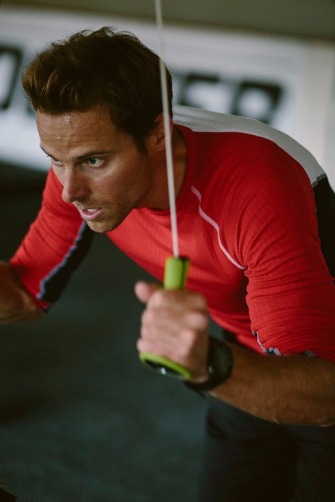
During the 10-pole max watt test each athlete is just performing 10 max pulls in a row, recording the peak wattage at any point during the test. (it commonly comes between pulls 7-9)
For all of the distance tests 1K, 2k, and 5K we are recording the time it takes to pull that distance.
Using correct poling technique can take some self-control on behalf of the athletes. Some teams have rigged up additional equipment to help keep testing consistent such as using leg braces to prevent athletes from squatting down too much or holding the athlete by the waist with a large resistance band.
Roller Ski Field Test
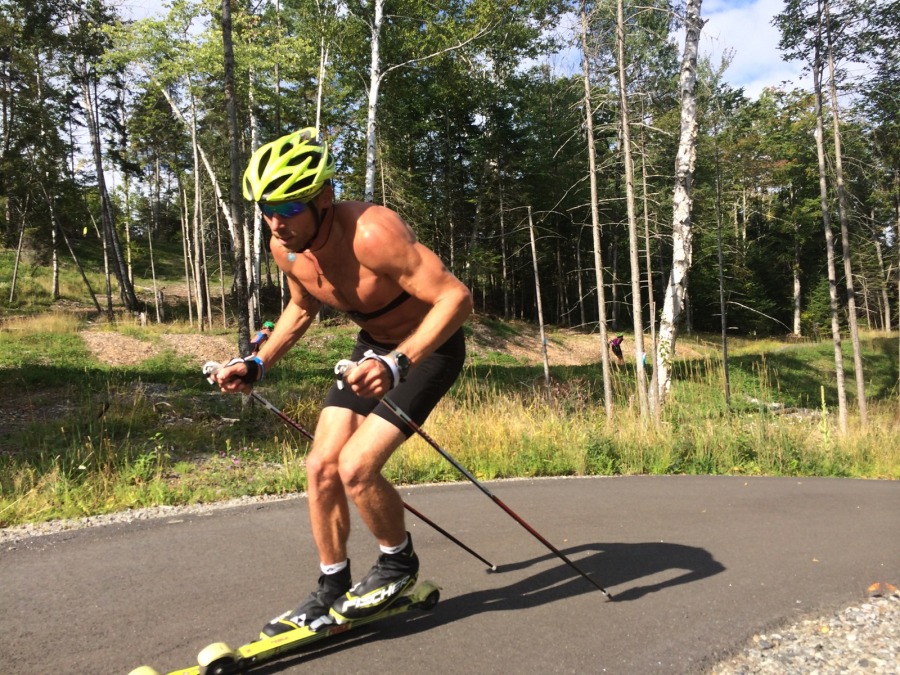
In my opinion you can’t go wrong with a roller ski double pole test. We have used them as long as I can remember at Stratton Mt. School and I think it’s an effective way to monitor improvements in double-poling.
I like to use terrain that incorporates uphill double poling but nothing that is too steep. If you have a hill that is too steep within your test athletes will often get to the point where they are coming to a stop between poles and begin using their roller ski ratchets to hold them in place… best to try and avoid that.
Time wise I think anywhere between 3 – 6 minutes is a good length for a double pole test. During an all uphill test at this length we are testing power, aerobic capacity within that technique, and muscular endurance so we can accomplish a lot with just one test.
Just like with all tests consistency is important even with a field test. Field tests are great options for bigger groups especially because with a larger testing pool, variables become easier to spot. If everyone scored a PR by 10 seconds, maybe there was a tail wind. Everyone’s times were a little slower, perhaps the pavement was colder. Making sure to record temperature and weather conditions along with test times will help to correlate these discrepancies between tests.
Have any questions about testing protocols? Just email me and we can work out a solutions together.