
Vo2 Kinetics Explained
By Andy Newell
Over the last 20 years we have seen a few interesting training trends come and go, most notably how we think about Vo2max training for endurance sports. In the early 2000's there was a lot of emphasis put on Vo2 style intervals (3-5 min intervals done at approximately 90% of max HR) or stacking several of these sessions into intensity blocks. These intervals were intended to hit a sweat spot intensity zone and improve an athletes Vo2 max, which we know historically is a major determining factor in sports like xc skiing.
Marit Bjorgen was known for extensively using this type of interval training for a short period of time which was outlined in a well known GS Solli study. Since the publication of this study we've seen a lot of skiers implement large bouts of Vo2max style training, some with success, others without, highlighting the importance if how intensity distribution fits into the macro-cycle of an athlete's career. Did Bjorgen experience greater adaptation from Vo2max style intervals because of her robust training history? Was her positive adaptation due to the intervals themselves or how they fit into a broad multi-year macro-cycle with robust training volume and sub threshold training?
In the last 10 years we have seen a shift back toward large amounts of sub lactate-threshold intervals (L3 intervals in our skier levels system). Why have we seen this shift? Here's my best guess.
- Physiologists realized that unless you can invent a time machine, go back in time to chose your parents, and potentially increase the amount of aerobic activity you did as a 10-14 year old, it's actually VERY tough to improve an athlete's Vo2Max an an adult.
- Doing lots of intervals at 90% of max HR puts a big stress on the body. Yes, there are large fitness gains, but it's more risky than sub-threshold training.
- While we might not be able to improve an athlete's Vo2Max, we can improve their Performance Vo2 (what % of their Vo2max they can actually race at on skis), and their Vo2 Kinetics (how well can their bodies adjust to changing respiratory and cardiovascular demands) We do this trough a more holistic approach to interval training and intensity distribution that encompasses sub threshold base building, some 2-5 min L4 or L4B interval days, sustained efforts like time trials and space projects, plus shorter 30-120 second interval sets designed to improve our Vo2 Kinetics.
Here is a great article from our NTS partner Tom Cuddy from Calibrated Coaching
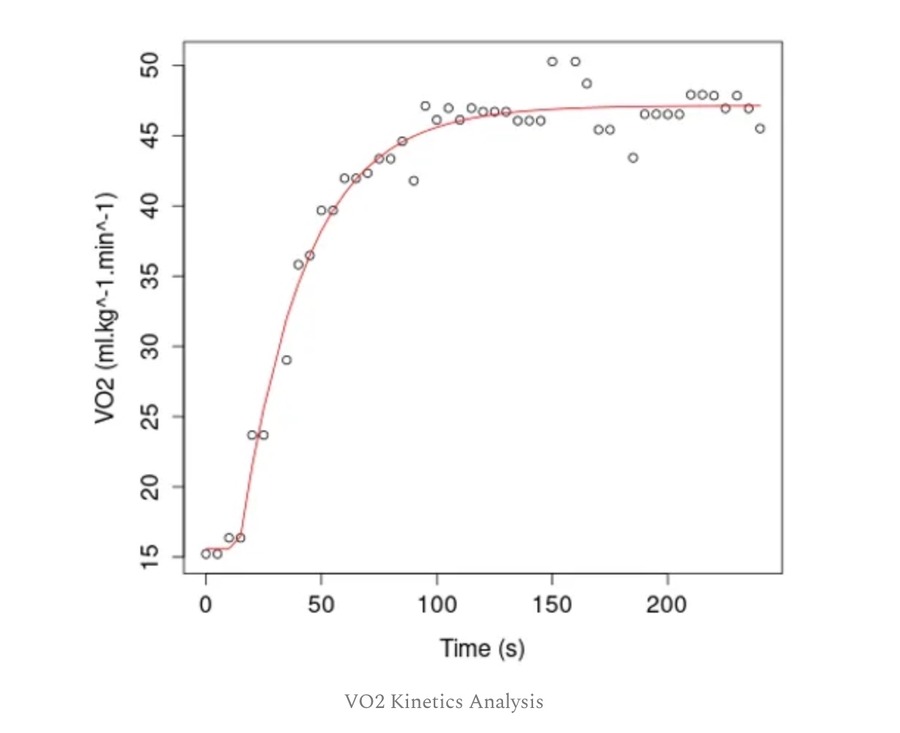
Plus, a nice general article from High North Performance
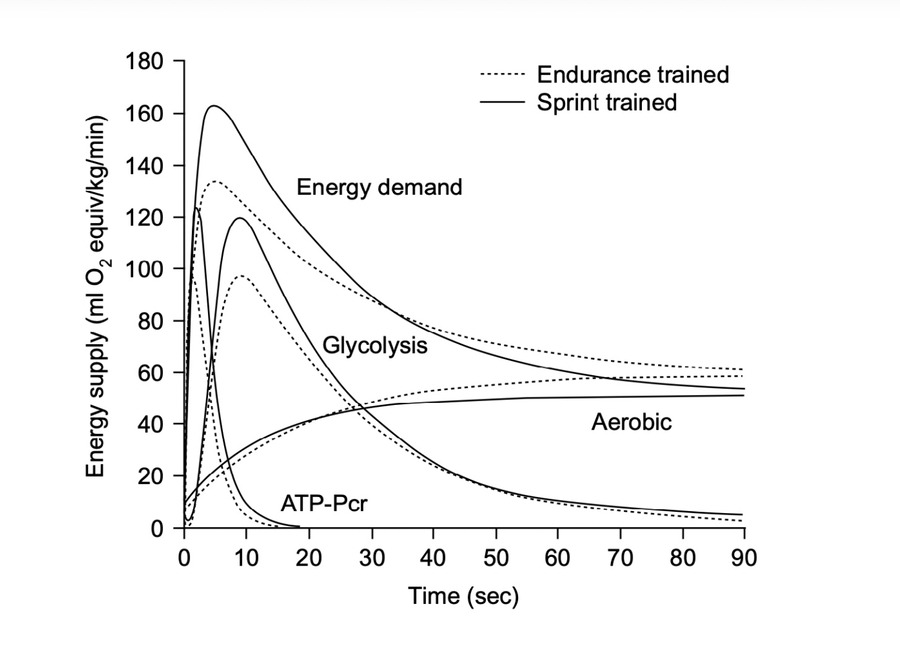
As we begin to shift our focus to pre-season intensity we will feature more L4+ training in our NTS plans. This data shows us the why short interval sets are important for distance racers and marathon racers.