
Skiing: A PoweR based Endurance Sport - Study
Below is a link to one of the latest research papers to be published in the European Journal of Applied Physiology, Losnegard2019, Energy systems contribution during competitive cross-country skiing.
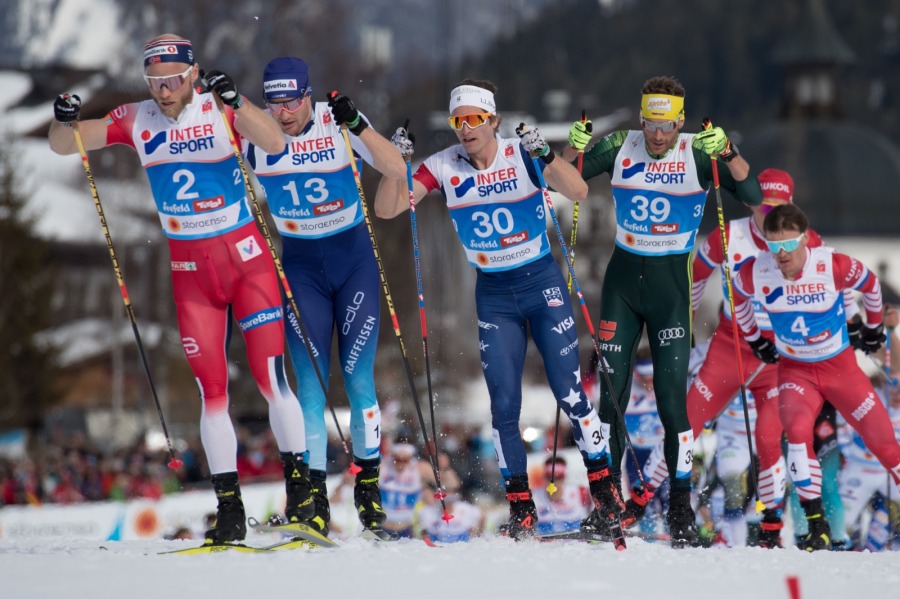
If you are interested in digging deep into the science and physiology of skiing these papers are a fun read. It's also really cool how top physiologist in Scandinavia are speeding time and resources on research entirely specific to xc skiing!
The reason we are posting this article is because it backs up a lot of the training principles we practice here at NTS. The most basic being that xc skiing is not a pure endurance sport. It is a power based endurance sport that utilizes several energy systems. This is because of the varying terrain we compete on which forces skiers to surge and recover making aerobic and anaerobic power outputs so important. The key to success in xc skiing does not rely on pure metabolic efficiency they way it can in more traditional endurance sports.
One of the terms used in the study is sport- specific peak aerobic power (vO2peak) and how this might be the main determinate of performance in both sprint AND distance races. This power combined with the sudden and repeated changes in metabolic energy turnover is now thought to be what distinguishes top xc racers.
This is in line with the sprint style intensity workouts we recommend here at NTS, the weekly speed repetitions we incorporate, and the power and max based strength plans we prescribed. It solidifies that over the past 50 years xc skiing has become faster and more power based, the window for applying power (push phase) on our skis has shortened, and upper body power has become more prevalent due to the higher speeds of skis and the stiffness of equipment.
Read up and let us know what you think!