
Time Trials = Mental Preparation
By Andy Newell
This week we recommend a rollerski time trial or negative split interval session. Generally, time-trails become a common occurrence in team training plans throughout the fall since they are a great way to log sustained L4 time. Some athletes will thrive due to the competitive nature of practice races while others might get too nervous, too wound up, or become so mentally stressed that it can affect their performance. It’s important to remember that whether it’s a running time-trial, rollerski race, or a skiers first-time racing on snow for the season each athlete will have a different reaction mentally to practice races.
Athletes who mentally over-activate before races (i.e. get too amped up and nervous) and athletes who under-activate (i.e. dismiss the time-trials importance, pretend it doesn’t matter) can all benefit from a sports phycology method knows as reframingand time-trials are the perfect opportunity for skiers to practice. This will make the practice race more productive and also help skiers hone in their mental skills for when it really counts.
As coaches we can make time-trials more productive and help athletes build mental resilience if we provide some perspective and added guidance before these sessions. A primary message I try to get across to athletes is the difference between taking a time-trial too seriously versus professionally. A professional approach means not putting too much stock in things like results, their competition, ski speeds, conditions, but instead reframing a situation in their mind to focus on the things they can control and the things they need to improve on.
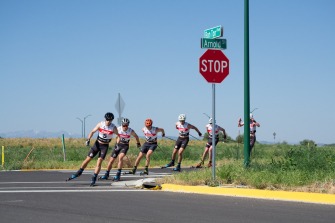
Race pace: Subtle pacing is something that athletes will become more comfortable with as they gain racing experience. I believe well paced and well fueled race efforts are absorbed better by the body. This outlines the importance of pre-race and race-day fueling during time trial days plus an added emphasis on negative split pacing. Negative split pacing means the last half of the Tim trial was faster than the first. Focused negative split time trial days are great ways to improve an athlete's ability to push hard at the end of race.
Here are some good reminders for athletes so they can reframe and stay positive and professional during race situations.
A professional approach means focusing on the process:
Before an athlete clips into their skis make sure they have a clear warm-up plan for the time-trial. I recommend writing down a pre-race warmup plan the night before the race. Put more emphasis on executing a smooth thought-out warm up rather than any race result expectations. This will also help calm the nerves of an over-activated athlete because instead of thinking about the time-trial they will be staying in the present and thinking about their warm up. Furthermore, having a refined warm up routine will hugely beneficial in future races.
Set a technique and pacing goal:
Setting goals for time-trials is important but especially when they are non-result-based goals. Often when you ask a skier to set a non-result-based goal they’ll say something like “It’s my goal to feel good throughout the whole race”. Well that’s great, but it’s still not something you can control.
Things you can control are technique and pacing. A skier’s goal for a time-trial could be to have a smooth V2 on the flats, high tempo V1 on the uphill, pace a faster last lap than first lap, etc. These are all examples of non-result-based goals that will keep skiers mentally tough during the time-trial. When focusing on technique and pacing goals rather than results becomes ingrained in a skier’s routine they will set themselves up for success during high pressure race days.
Post Time-Trial Thoughts:
Taking some time to write down how the practice race went can be really beneficial for skiers. Each athlete should be able to write down one thing they did well and one thing they can improve on next time-trial. As coaches it’s fine to celebrate results and personal bests but what is more important is checking in with each athlete on how they did with their personal non-result-based goals. Celebrating the small victories with each athlete will reinforce positive time-trial preparation in the future and help skiers refine their pre-race routines and race plan execution moving forward.