
Structure testing
Having the correct structure is important in both classic and skate races, especially in warmer conditions. non-fluoro racing restrictions have made structure an even more valuable piece of race-day testing.
The Basics:
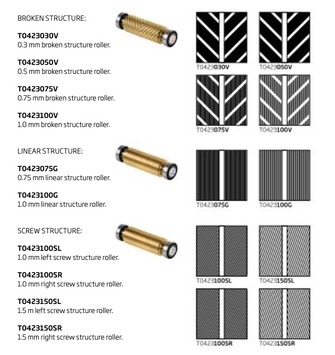
Adding structure to a ski involves pressing imprints into the base using a structure tool. Fine structures (less deep) will perform better in dry colder conditions. More aggressive (deep) structures will perform better in wet and course snow conditions. Structure tools will come with a variety to structure patterns and depths.
Basic Structures:
Linear (lines going down the ski)
Broken Linear (V pattern, can go either directions)
Cross (screw) - (like a barber pole, best for skating but also can be used for classic)
Cross linear - (cross structure mixed with a linear)
Testing:
Just like all glide test skis, structure skis must be blanked with the same wax for an effective test. Make sure each ski is scraped and brushed the same way. After you apply each structure brush out the ski to remove any excess wax from the base.
It's important to remember to test structures at various speeds. Try them climbing and also at a realistic downhill race speed. You will notice that some structures really break away and accelerate at high speed. IF that structure also feels good climbing that's the best case scenario.
After testing it's crucial to remove the structure from the base so you can have accurate tests in the future. To remove the structure hot scrape with a hard paraffin wax so the indentations are no longer visible on the ski.