
TRaining and racing in cold temps
By Andy Newell
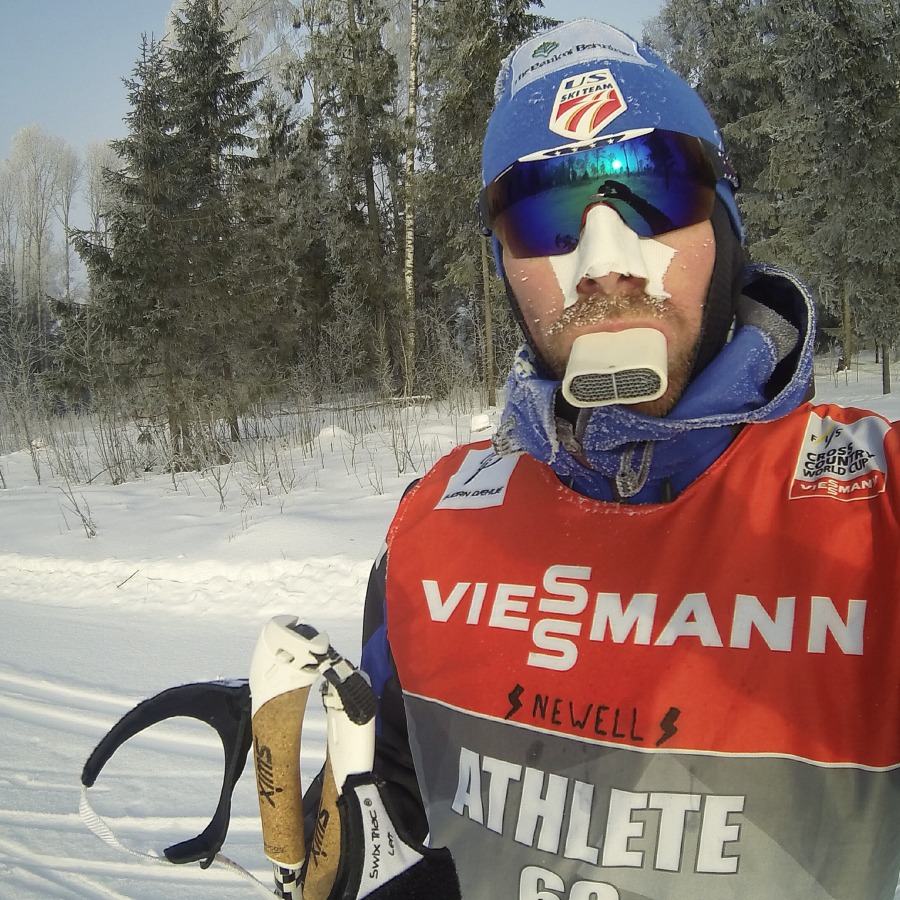
This week cold temps are affecting much of the United States and Canada.
Is it bad for your body to train and race when it's cold?
It’s common knowledge that the FIS limit for racing in cold weather is -4F (-20c), meaning the organizers of the event must delay or cancel the race until the temp warms up. There are plenty of folks who think this threshold is fairly conservative, most of us have been outside in -4F and it’s not unbearable. The danger lies in the difference between training and racing in these temperatures. Increased wind chill at race speeds and an increased demand on the lungs is what makes cold weather racing so dangerous. Despite how tough you might be there are plenty of studies to back this up with data. Including studies done directly on cross country skiers HERE. Including a new 2020 Finnish study HERE.
Because of the challenges surrounding COVID-19 several marathon races the past two years have abandoned their FIS certification which means they also do not need to follow FIS cold weather restrictions. This proved problematic during the 60k La Diagonela in Switzerland in January 2021 where organizers held the race despite the thermometer reading -18F putting some of the best marathon racers in the world in serious danger. Several were injured with severe frostbite and hospitalizations.
Needless to say, I think the FIS legal limit of -4F is more than appropriate and racing at this temp can still be plenty dangerous especially for youth and master skiers. Racers and parents can mitigate the risk by taking some of these steps.
- Fuel with warm (not hot) sports drink. It’s important to drink during your warm up anyway but having some warm liquid to sooth the airways and keep your body temperature up can be helpful.
- Use face and nose tape – We might not be racing the Kitzbühel but xc skiers can still easy frostbite exposed skin particularly on the face while tucking on downhills. Another tip I was taught as a kid was to make a ‘wind shield’ with my hands while tucking to prevent the wind chilled air from entering my lungs at such speeds. Anti-freeze face tape
- Modify your warm up- For junior racers this might mean planning ahead with some ‘indoor’ warm ups if possible by using a spin bike or treadmill for example. This reduces the overall stress on the body by reducing the total time outside in the cold. A great tip for masters and marathon racers is to incorporate more jogging or hiking with poles into your warmup. It’s much easier to stay warm without the wind chill of skiing speeds and jogging with poles is a perfect way to activate the right muscles and get the body ready for a long race.
- Protect hands and feet – When we race at high intensity our blood flow changes to protect and fuel our internal organs leaving our hands and feet at risk. As always changing into dry warm gloves before the race helps but also consider racing in boot covers. Most brands make very streamline covers these days that are appropriate for racing. HERE
Staying warm during training is easier but many Nordic athletes still manage to do long-term damage to their health while training cold temps. Here are some guidelines we like to use on our team.
What about cold weather training days? Last week in Lake Placid I cut out mid week intervals completely for our team because temps were below 0 F.
- If it’s too cold to race (-4F) it’s too cold for intervals. It’s not worth the risk on the athlete’s lungs. We often recommend no L4 training unless it’s warmer than 5 degrees F and even then we proceed with caution by limiting max intensity and shortening overall on-time for the day. In my opinion it's just too risky to do mid-week, race preparation intervals when its really cold. Athletes will often do more hard than good without actually increasing their fitness from the interval efforts.
- If an athlete really feels the need to hit some harder L4 for peaking or sharpening, we recommend moving that workout indoors to a treadmill.
- Use a mask: The Swedes lead the charge in both mask development and research. CLICK HERE . HME masks are great for easy distance training days in the cold and are also appropriate for controlled L3 training when temps are in the single digits.
- Also consider a hike or jog with poles instead of a skiing workout to cut down on wind chill exposure. Many of the athletes here in Finland who are used to cold weather training choose to go snowshoeing with poles on very cold days.