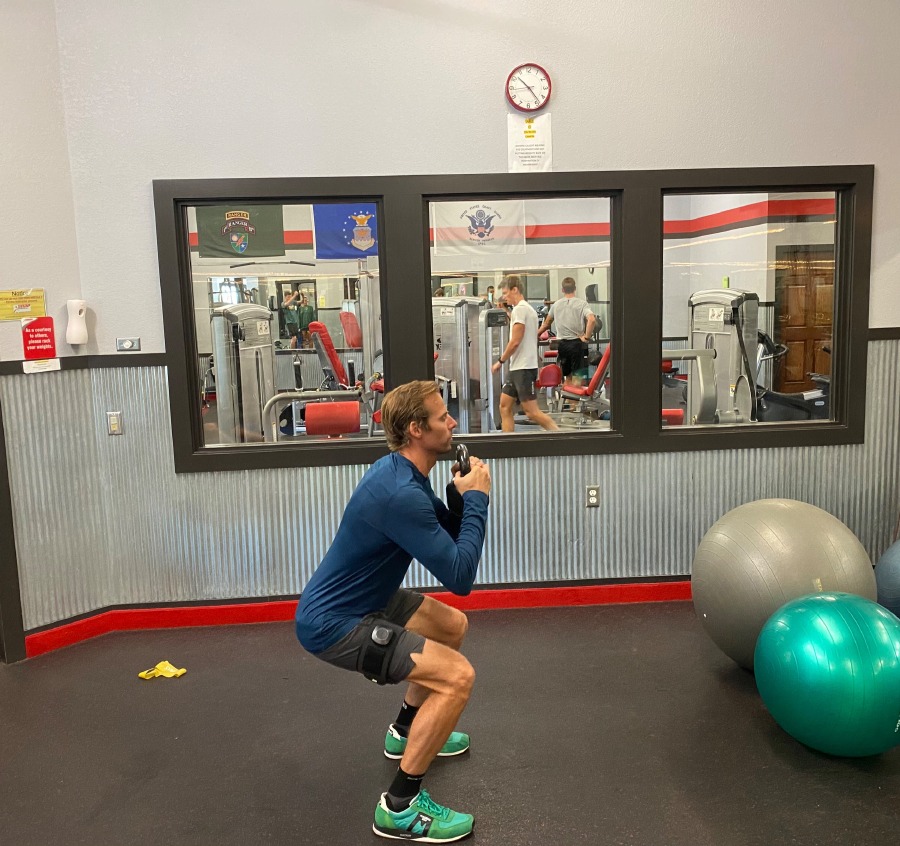
What is BFR Training?
By Andy Newell
BFR stands for blood flow restriction training, a strength and conditioning method that has gained traction with elite athletes and with physical therapists to rehab injuries.
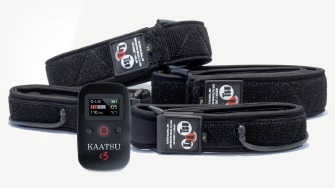
BFR training is a technique in which pressurized bands (similar to blood pressure cuffs) are worn around the arms or legs to slow blood flow to specific muscles during training. It's thought to trigger the body to build more muscle mass than it otherwise would at that training intensity. (Groth, 2021)
Our USST strength coach hypothesized that BFR training could be a good way to maintain muscle mass and strength during the race season. Some of the USST athletes used restriction bands around the arms to help maintain shoulder and upper body strength. Especially back in 2018, research about how elite level athletes could benefit from this type of strength training was just starting to emerge.
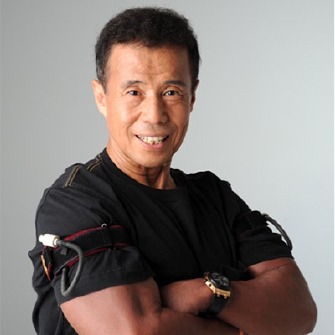
The lack of consistent data backing up the benefits of BFR workouts is interesting considering the training method was first envisioned in the 1960’s by Japanese doctor Yoshiaki Sato. It wasn’t until the 1990’s when Sato’s company KAATSU became the leader in blood flow restriction training. Since then, several other companies have launched similar products helping to further push research and development in this field.
A review article published in October 2020 in Strength and Conditioning Journal concluded that evidence does suggest BFR training can improve muscle growth in athletes.
How does it work? When the blood flow is restricted to the muscles for short periods of time the muscles must work under oxygen deprivation. When the muscles are stressed through lifting weight or basic aerobic training the BFR bands also restrict metabolic byproducts, such as lactic acid, from leaving the muscle which forces them to work even harder and even produce more growth hormone. Advocates believe this is what helps BFR users to build muscle faster than in traditional weightlifting.
Olympians Galen Rupp, Mikaela Shiffrin, and Michael Andrew have all been vocal about their use of BFR bands.
Video of Olympic swimmer, Michael Andrew, using BFR band during a swim workout.
Although I did not use this training method during my Olympic preparation, I have just started using BFR training to help rehab from my herniated disk injury. When I re-herniated my L5S1 in July I lost a lot of function in my left leg. Numbness, reduced reflexes, and very limited use of my calf forced me to cut out almost all training for the past 4 weeks. Since I currently can’t run, ski, or weight lift at high intensity Dr. Amy Pakula (Momentum PT) thought we should try BFR training to help rebuild strength and maintain muscle mass in my legs. Amy is a certified in BFR trainer. Note that individuals SHOULD NOT use blood flow restriction bands without the guidance of a certified individual. Long term damage to the muscles and nerves can occur when the bands are not used properly.
My current training routine includes basic lifting exercises with light weight. I’m currently using the bands only on my right leg but will begin using a band on my left leg as my recovery progresses. I am also using the bands during short bouts of aerobic training including 15-minute efforts on a spin bike spinning at moderate intensity.
Do I recommend BFR training for skiers?
I think this training method will become more widespread in the future. Right now, I would certainly recommend BFR training to master skiers who are unable to do heavy lifting in the gym. I do think it is a worthwhile strategy for maintaining muscle mass and building strength in a low impact way. For the same reasons I would also recommend this training method for skiers who want to make big hypertrophy gains or maintain strength and mass in the arms and legs during the race season.
Over the next year I plan to experiment more with BFR training to see how it can help with explosive and power-based weight training and hard interval training sessions. Stay tuned!