
Back on snow - training tips
By Andy Newell
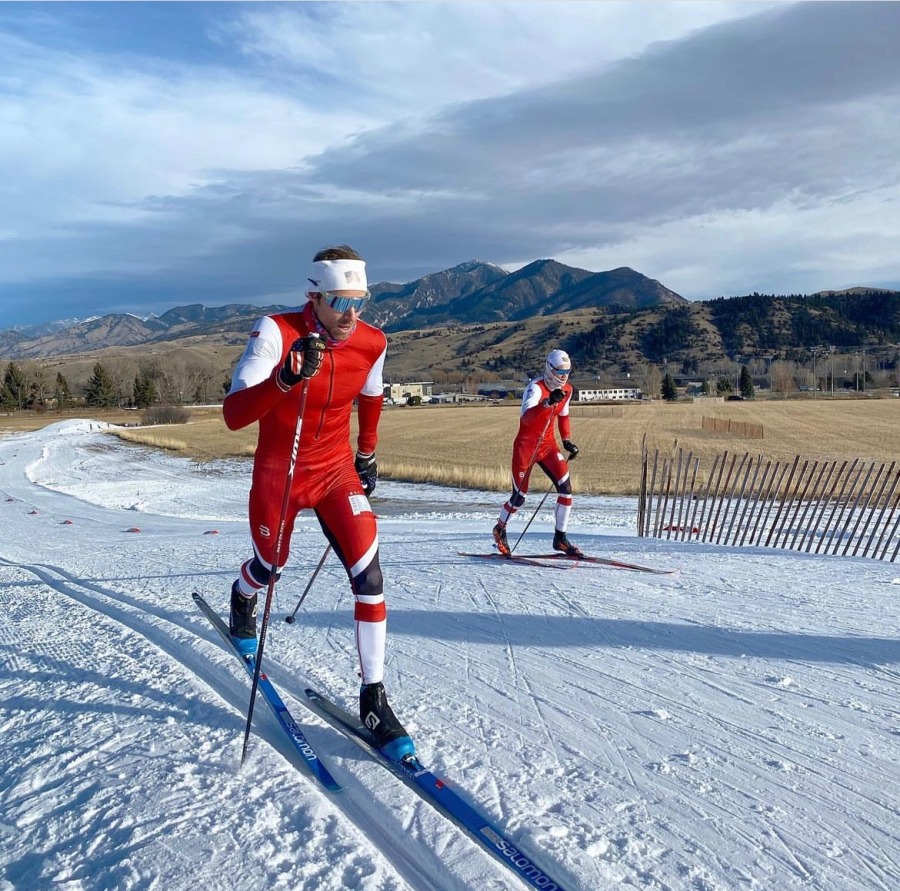
This time of year some lucky folks might already be sliding around on snow while others are still in full dry-land mode. During times like this it can be more difficult to create a one-size fits all training plan that is appropriate for everyone. If you have early season skiing available here are some helpful tips.
Adjust the training plan
A general rule I like to follow is to get at least 3-4 easy days of skiing in before any intensity. I like this approach for two reasons: First, early season snow fall can create less than ideal interval conditions. Second, it's good to give our bodies time to adjust. Skiing on snow utilizes slightly different muscles than dryland training modalities. Furthermore, introducing cold temperatures to our cardiovascular system can create an added stress to our bodies. Giving ourselves time to adjust before any substantial L4 or L3 training can help increase our on snow efficiency and comfort which will create more productive interval sessions in the future.
For example, last week in Bozeman started out very snowy. I had some L4 intervals planned for the team on Wednesday. Instead I adjusted the training plan to incorporate 3 easy days of skiing with one speed session before forcing intervals. Additionally I swapped the L4 session for a controlled 5 x 10 min L3 session on Friday, and added a 30 second interval set on Sunday instead of an easy distance. XC skiers are creatures of habit and we love to follow training plans to the T. But sometimes some small adjustments can lead to better improvements in the long run.
One-pole and no-pole skiing
If you are tromping through 6 inches of fresh power then tromp away and have fun. Once the grooming stabilizes make sure to incorporate10 - 20 min of no pole skiing during every workout. This can even include 10 min of no-pole skiing before an interval session. L3 interval days are great for dedicating the first interval to one-pole skiing. This is useful in classic technique because it will help athletes remember how to kick on wax again. In skate technique one-pole skiing helps athletes engrain a symmetrical leg push.
Speed training is technique training
This is something I like to remind athletes as we transition to snow. While a week ago athletes might have been doing 15 x 10 seconds all out on rollerskis, it will not be beneficial for them to thrash away on skis during their first few snow sessions. I like to do one speed sessions on snow before any hard intervals but it's best to adjust the session. If we want to work on striding I will have the athletes build up from 50% effort up to 90% effort. It is also a good strategy to do these speed passes individually versus side by side with fellow teammates.
Reduce on-time during intervals
While some athletes will have built up to 50-60+ minutes on L3 on-time within a single rollerski session when we transition to snow this should be reduced. Start with 30 min of on-time. The cue I like to give athletes before their first L3 interval session on-snow is that they should feel better at the end of the workout than they do at the beginning.
Increase body care and recovery
Working new muscles, cold temps, these are all things that will add stress to the week. During the first week on snow we need to prioritize recovery and nutrition. Cold temperatures will require us to consume more calories than normal and sliding on snow will make new muscle groups sore particularly the groin and adductors. It can be a good strategy schedule a massage during the first week on snow and dedicate some extra time to rolling and stretching.