
Feeding Dos and Don’ts
Feeding Dos and Don’ts
By Andy Newell
The end of the race season is a perfect time to try racing longer distances. For some older juniors this might mean jumping in their first 30k or even a 50k. I think all skiers can benefit from racing in a ‘longer than normal’ distance to cap off the race season as a way to push our fitness and practice the challenges of feeding during competition.
General feeding guidelines:
- In any race that will take longer than 60 minutes it will make sense to feed during the race.
- Take a feed early on in the race (15 minutes in) and try to feed every 15-20 minutes throughout.
- Feed with sports drink/ something with electrolytes, calories, and salt.
- Feeding for the race includes getting in sports drink during warm up too. Many athletes also eat something like a banana 45-30 minutes before the start or take a gel before the start. Or a gel 20 minutes before the start.
- An appropriate feed size is about 8 ounces. Enough to get a good 2-3 gulps down.
DO’s and Don’ts
- Do make it a priority to catch your first feed of the race. 30 minutes is too long to go at the beginning of a long race without taking a feed.
- Don’t take out other skiers while trying to get that feed. In 2010 FIS made it a rule that coaches could not run along-side skiers to give them feeds. Nowadays coaches need to stand with flat feet and have the skier come to them. Skiers are responsible for not obstructing other skiers while getting their bottle.
- Do use an appropriate bottle. We often use baby bottles (caps off) or small Gatorade bottles partially filled (8 oz, caps off). A good way to ensure that the bottle won’t slip out of a skier’s hands is to tape the bottle with fabric athletic tape. This will prevent the plastic from getting slippery with water or snow.
- Don’t botch the hand-off. As a coach hand the bottle with an outstretched arm while holding from the opening or top of the bottle. Try to hold the bottle at chest level, not eye level, to prevent the skier from getting a face full of sports drink.
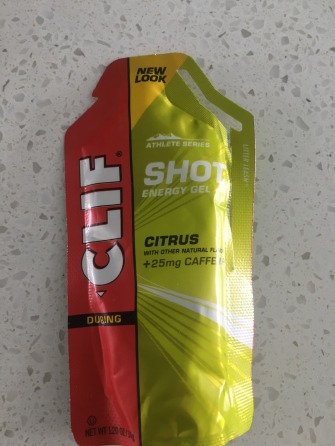
- Do experiment with taking a gel or more calorie dense feed before the half way point of a 50k. Staying AHEAD of any glucose deficiency is huge. I will usually take 1-2 gel feeds in a 2.5 hr 50km. I would recommend more if you are in the 3-4hr range.
It’s also common for athletes to feed with flat Coke during the last 15-20k, both for the caffeine and sugar bump.
- Don’t try to do a partially peeled mid race banana hand-off. I’ve seen it done (I'm talking to you Kuzzy!)
Kind of kidding here: Bananas can be a fine mid race snack. Elite skiers primarily use gels and sports drink because they are easiest and fastest to absorb into the system. When an athlete is racing even close to their L2/L3 zone they are burning pure carbohydrate so mixing protein etc. into your feels will not have much effect and can slow glucose absorption.
Other tips
- Taking down 2-3 gulps of drink can be tough while breathing hard. This is why we usually try to feed in an area where skiers aren’t breathing at a maximal effort like after a downhill. Skiers that have a hard time holding their breath or drinking fast can try taking a breather between gulps. Better to take an extra few seconds in order to get the majority of the feed down.
- When taking gel feeds some skiers have their coach tape the gel to their feed bottle so they can squeeze the gel into their mouth before taking the liquid feed. A lot of athletes just carry gels with them either taped to their bib or tucked in a waist band.
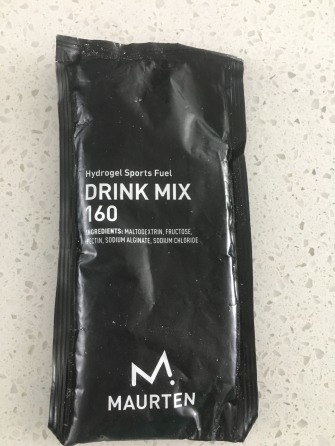
- One method I really like for a mid-race gel feed is to have the coach squeeze the gel into the sport drink feed and shake it all up. It creates kind of a gross, thick feed but if you don’t mind chugging it down it’s a perfect way to get in both at once. If gels aren’t your thing try out some of the new hybrid sport drinks like Maurten. It’s a drink mix that is meant to congeal more in your stomach to form a slower burning carbohydrate.
- Sometimes feeding during races can cause some stomach discomfort or side cramping. This is why it’s important to practice and learn what works best for you. If you feel a side stitch coming on try to relax your diaphragm and focus on smooth exhalations from the stomach. If that doesn’t work raise your hands above your head on a gradual downhill and try to stretch things out.
The video clip above is a good example of a world cup feed zone