
Raspberry Season - Kurt Jepson (updated)
By Kurt Jepson
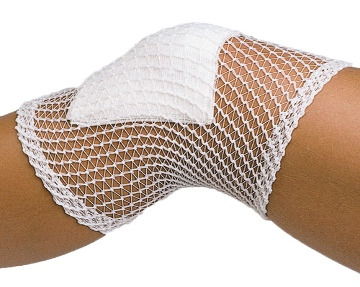
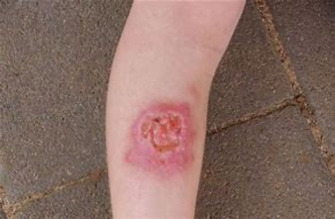 Signs you are losing the battle with infection include; lack of wound progression over a few days, swelling, disperse redness, excessive pain, warmth to touch, fever, prevalent colorful exudate (pus) and associated odor. Clinical presentations such as these may indicate Cellulitis and erysipelas requiring culture and prescription medicine use (Pecci M et al, Skin Conditions in the Athlete. The Am J Sports Med 37(2) 2008).
It`s roller skiing season. It`s going to happen. Your`re going to go down. Hard. Hopefully your training week won`t be significantly affected by injury because you`ve taken reasonable precautions such as utilizing good pavement, quiet roads and a quality helmet (own a $20 “melon”, use a $20 helmet!).
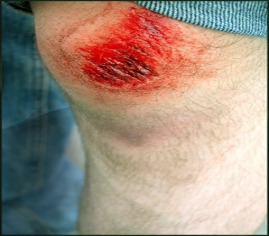
It`s likely you`ll just limp away with some road rash to deal with. As seemingly insignificant as “raspberry's” may appear, you can ensure a speedy return to training in relative comfort by addressing the wounds appropriately.
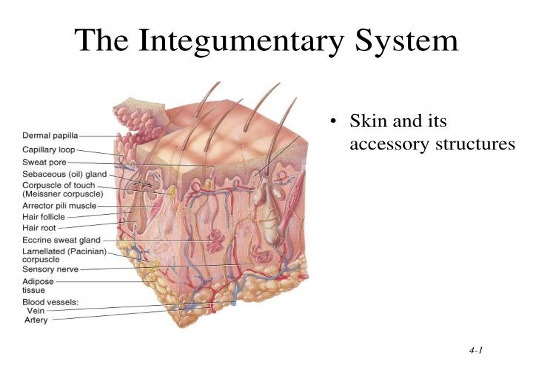
Injury to the “Integumentary System”, the largest glandular and protective tissue structure in the body, typically involves abrasive or penetrating trauma which disrupts it`s form and function. The “skin” or Dermis and adjacent layers serve many purposes including; protection from external organisms, keeping water in and out, temperature regulation, vitamin D synthesis, waste excretion and also serves as a sensory and pain receptor matrix. Compromise of the skin, compromises these functions, with the inability to block outside organisms from entering the body the most concerning.
Degree of injury is associated with the depth of the lesion, but as depicted above, profuse bleeding indicates involvement to at least the subdermal adipose/fat layer. Presence of fat globules in the wound likely means sutures are in your future.
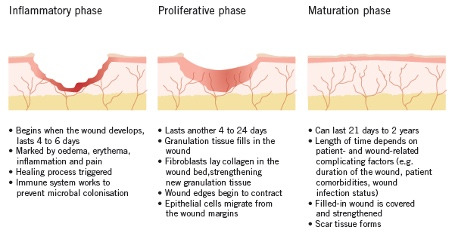
Stages of wound healing follow many of the same physiologic phases of tissue reproduction and modeling of other body structures.
1. Hemostasis. Trauma causes a bleeding event. This is important for auto cleansing of the wound and fighting possible infection via the inflammatory cascade. Bleeding also provides an influx of cellular components which fight infection and lead to the development of a clot (natural bandage).
2. Clotting to scabbing. Chemical mediators and interstitial tissue pressures lead to narrowing of blood vessel diameters, which along with platelet aggregation arrest bleeding and “plug” the wound. Thrombin and fibrin initiate production of the protective scab. Once the region is stabilized in terms of bleeding, vessels re-open and allow the influx of oxygen and nutrient rich blood for cell reproduction. White blood cells deliver “killer cells” and Macrophages to clean up debris. Clear excrement (”weeping”) from the wound is a visible sign this process is underway.
3. Rebuilding. Cell mediation and proliferation are orchestrated by growth hormone (GH) and cellular code which direct collagen based scaring and vessel, nerve and glandular replacement. New scar tissue is typically hyper vascularized and therefore has an associated red tone. It may also be hyper innervated and sensitive to tactile input.
4. Maturation. Closure and stability of the wound allows remodeling of the dermal and subdermal layers to closely replicate “normal” skin anatomy and function. Collagen density, elastin content, neural vascular and endocrine structure all drift toward normalcy over ensuing weeks and months. The average time frame for typical wound healing is about 3 months per John`s Hopkins Medical Center and the end result is approximately 80% as durable as previous levels per the University of Rochester Medical Center.
Interruption of any of these stages delays the process. By far the leading cause of wound healing abatement is the invasion and habitation of pathogens. Infection, whether bacterial, fungal or viral changes the tissue environment interfering with the physiologic progression above. Systemic health issues can predispose individuals to complications. Such co-morbidities include; diabetes, obesity, hypertension, vascular disease, or immune compromise. Fortunately, high level athletes rarely have these issues but “mature” recreational skiers can be afflicted, influencing management. Age always influences healing rate.
Proper treatment early in the game will pay dividends in terms of getting you back to comfortable training.
As with any injury caused by trauma, step one is proper diagnosis. Any signs of systemic injury such as shock symptoms, concussion, fracture, profuse bleeding, etc. should activate the EMS system. Any signs of joint instability, laceration, or muscle/tendon dysfunction should undergo medical screening.
Abrasion management begins with wound cleansing. Squirting water from a bottle initially can help displace pathogens contained in adhered debris. Covering the wound with a sterile dressing until the athlete can return home will help limit further exposure to road grime, dust, airborne fungi and exposure from a second fall. Murphy's Law.
Keeping some basic first aid items in your hydration belt is recommended. Small saline bottles (eye wash), sample packets of neomycin, 4x4 sterile gauze, some tape wrapped around a pen cap, large Band-Aids, and elastic sleeve material (Spandage) to keep gauze in place when sweat limits adhesive abilities comprise an appropriate “kit”. A section of women's nylon stockings works well in absence of formal wound bandage netting. This sounds like a lot to carry but it really isn`t when proportioned well and can prove invaluable when needed. This “kit” can easily occupy a 2”x2” space.
Once home a thorough cleaning is indicated. Shower immediately, paying particular attention to the adjacent wound field as you want this as sterile as possible. Eat your snack in the shower. This is a time sensitive issue. Direct spray will help dislodge any particulates. Gently wipe away any detached tissue with a cloth or wet gauze. Sterile tweezers allow precise debridement. Any “dead” tissue provides a favorable environment for bacteria to “open shop”, get rid of it.
Dry the wound. Avoid peroxide and alcohol products. Even diluted, as these are toxic to new cells associated with stage one healing. Apply anti-biotic cream preparations or better yet Silvadene if available. Apply a dressing. If you have access to products such as Tegaderm dressings (3M) follow the directions. These are expensive but form an effective shield to outside pathogens. Such materials can be left in place for days as they are water repellant yet allow gaseous transfer to the wound site and are flexible lending to greater comfort with limb movement.
Traditional dressings should be changed 1-2 x /day for wound inspection, fresh dressing 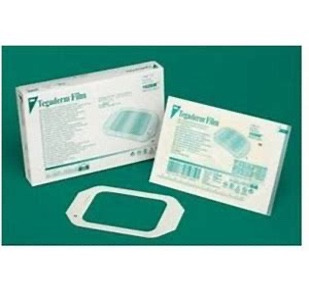 application and protection. Womens hygiene pads are very absorbent and are an excellent choice in the early stage of management when wound fluid production is peaking. Follow up washings should involve soapy water or saline solutions. Gentle debridement of loose tissue can occur but be careful not to disrupt the fragile newly forming vascular bed. The wound should be kept moist with anti-biotic creams, reducing application thickness as the wound progresses. This will promote healing and help limit excessive scarring (Dramatology Surgery 1995, Emergency Medicine Clinics of North America 2007).
As always, stay hydrated and consume nutrient rich foods to provide the body with building blocks. Homeopathic remedies should pass peer reviewed literature criteria for efficacy.
Maturation can take months to years based on severity. The raised, red appearance of a “new” scar is normal and will fade and flatten as the remodeling process continues. Sensing tightness and itching is also part of the maturation process as the body adjusts collagen and elastin content. Muti-directional massage and soft tissue/fascial release may aid in return of interface mobility and reduced “tightness” experienced during movement.
Hypersensitivity weeks out can be addressed with “sensory re-biasing" techniques utilized by a PT.
This use of “heavy duty” sun screen is recommended over the scar during the first year to prevent retraumatizing the area.
Attention to detail when treating “raspberry's” will accelerate the healing process and enhance your comfort level so as to not miss crucial sessions this time of year.
Get back at it!