AiR quality and Training
By Andy Newell
With much of the west at risk for fire danger the topic of air quality and training has been on our radar this month. Air quality even became problematic in New England last week as the jet stream pushed western smoke into areas that rarely see poor breathing conditions. Scientists are still compiling data to help us learn more about managing risk during outdoor activity in smokey conditions. How bad is it to train when you can see smoke in the air?
There are three reasons why otherwise healthy athletes are at special risk for inhaling pollutants. First, as physical activity increases minute ventilation, the number of pollutants that are inhaled relative to when the athlete is at rest are increased. Second, during activity, a larger proportion of air is inhaled through the mouth, which bypasses the body’s built-in nasal filtration system. Third, pollutants are inhaled more deeply and may diffuse into the bloodstream more quickly during physical activity. These risks are heightened in athletes with pre-existing pulmonary or cardiac conditions. (sourced from NCCA.org)
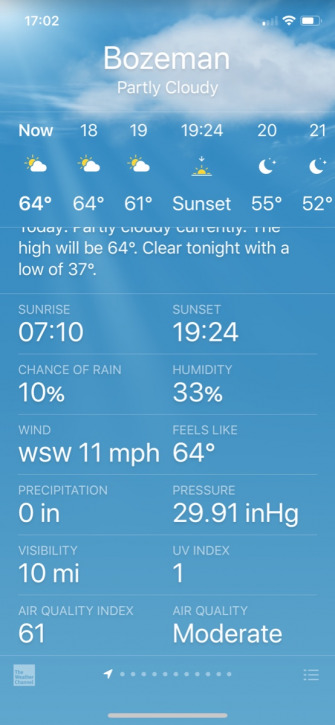
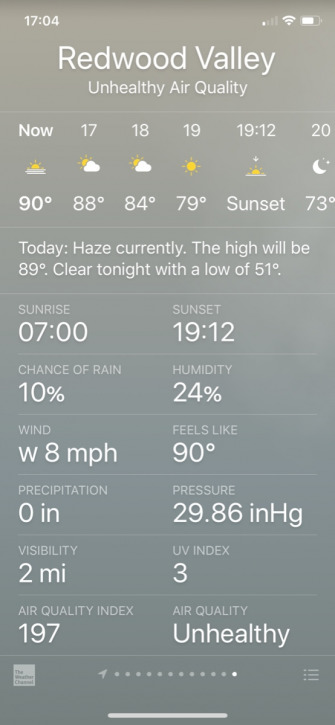
An important and standardized national air quality resource is the National Weather Service’s (NWS) Air Quality Forecast System. Most folks can view this number through the weather app on their smartphone or by visiting https://www.iqair.com/ . This system provides the user with such info as ozone, particulate matter and other pollutant forecasts with enough accuracy and advance notice so that athletes and coaches can adjust accordingly.
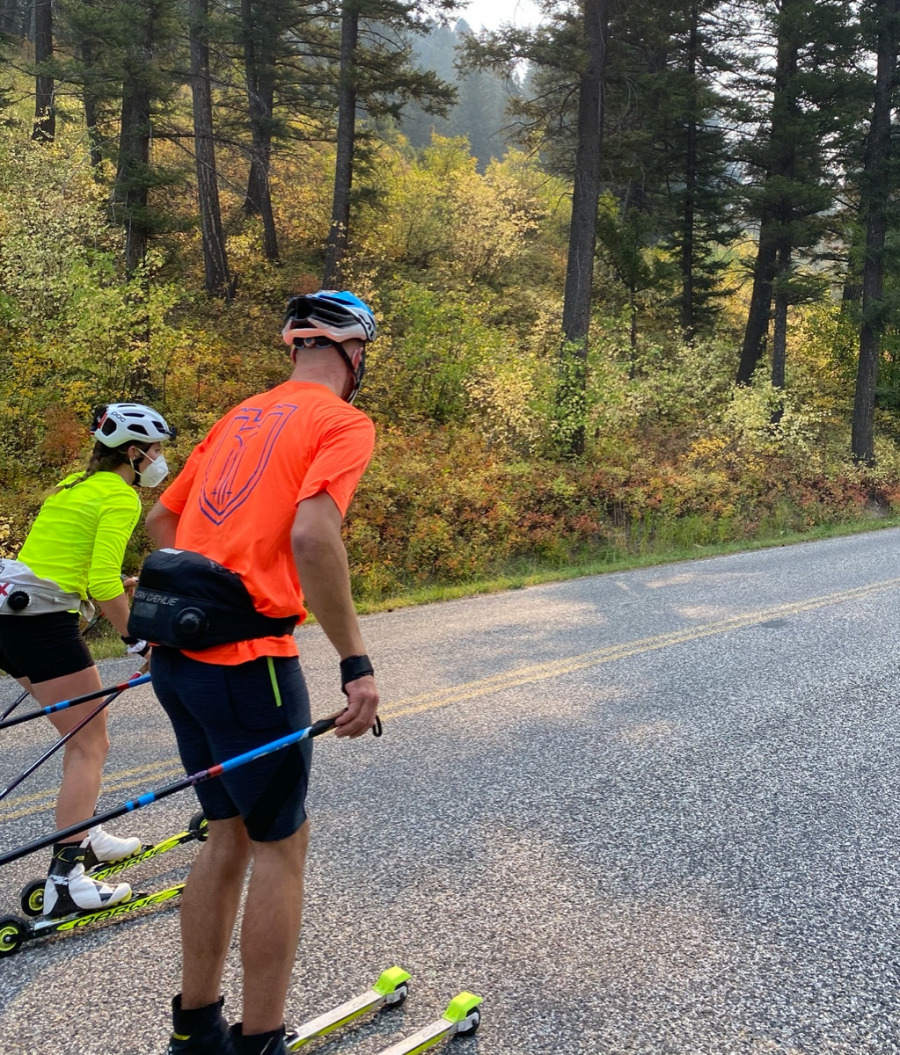
Skiers who train in the west have become accustomed to monitoring air quality on a regular basis throughout the fire season. Some days the smoke can be visible and potent or sit higher in the sky. Typically, the farther the smoke has traveled the less it will smell but the danger is most certainly still there which is what makes monitoring daily AQI so important.
The AQI accounts for five different pollutants, including: 1) ground-level ozone; 2) particle pollution (also known as particulate matter); 3) carbon monoxide; 4) sulfur dioxide; and 5) nitrogen dioxide. Of these, ground-level ozone and particulate matter are the most common and most concerning pollutants for outdoor physical activity.
The AQI is a single number, presented on a scale of 0 – 500, where 0 indicates no air quality problems and 500 indicates the most hazardous levels of air pollution.
COVID has certainly taught us a lot about wearing masks and to understand that not all masks are created equal, especially for outdoor activity. No skier will enjoy wearing a mask while training, but your typical cloth mask or buff does not help filter many of the hazardous pollutants in smokey air. N95 masks (typically found in hardware stores) are best for smokey season training.
So, what does this mean for Nordic athletes and coaches? Here in Bozeman, we have been checking the AQI regularly each morning and will make a training adjustment if needed. (Disclaimer: I am obviously not a medical professional) These are the guidelines we are currently using.
AQI 0-50: Train as normal in all intensities
AQI 50 – 100: Consider reducing training duration to less than 2hrs. Intervals are ok but athletes with reparatory issues might want to avoid L4 training. Reduce interval on-time to 20-30 mins and try to make the session as short as possible.
AQI 100 - 150: No intervals, keep easy distance session to less than 60 mins. Consider using a N95 mask during training.
AQI 150+: Move training inside to filtered air. Or take a bonus off day, it won’t hurt you!
**Make sure to REALLY stay hydrated while training in poor air quality and rehydrate well after all sessions.
Below are the guidelines presented by NCCA.org
- Teams should consider shortening or canceling outdoor athletic events (practices and competitions) in accordance with AQI guidance. Exposure should be managed more conservatively for student-athletes with pre-existing pulmonary or cardiac conditions, which may exacerbate the complications of these conditions and lead to an acute medical emergency. Specifically, at an AQI of 100 or higher, schools should consider removing sensitive athletes from outdoor practice or competition venues and should closely monitor all athletes for respiratory difficulty.2 Reduce heavy or prolonged exertion in sensitive individuals.
- At AQIs of over 150, outdoor activities should be shortened, and exertion should be minimized by decreasing the intensity of activity. Sensitive athletes should be moved indoors.2
- At AQIs of 200 or above, serious consideration should be given to rescheduling the activity or moving it indoors. Prolonged exposure and heavy exertion should be avoided.2 Avoid all outdoor physical activity for sensitive individuals.