
DOUBLE POLE SCIENCE, WHAT WE KNOW SO FAR - Part 1
By Kurt Jepson,

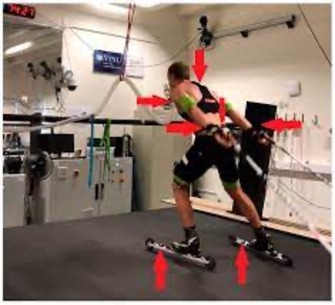
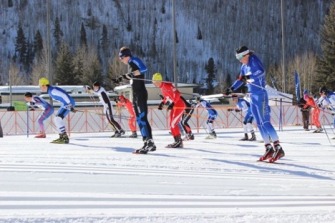

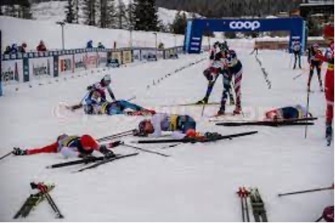


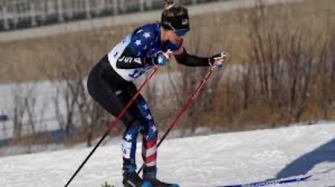
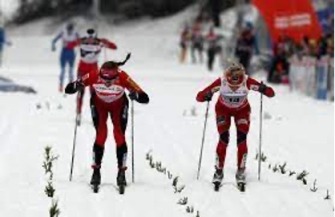
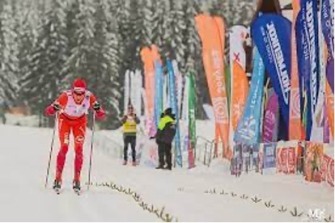
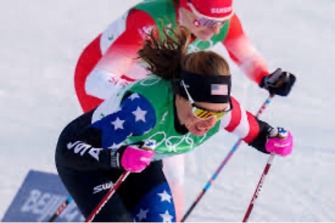
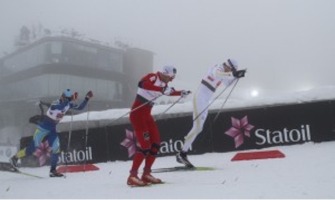
Cross-country skiing involves a high degree of technical expertise in order to maximize speed and efficiency. No technique component of XC skiing has garnered more attention over the years in the coaching and scientific literature than the act of double poling (DP). Ever wonder why coaches cue athletes as they do during DP skiing? Let`s take a look.
Literature reviews regarding the topic of DP produce one thing in common, the name Hans-Christer Holmberg. Professor Holmberg currently is associated with Lulea University of Technology and the famed Karolinska Institute in Sweden. He founded the Swedish Winter Sports Research Centre in 2008. Professor Holmberg has produced or co-authored over 380 peer reviewed papers and has been cited over 8000 times during his storied career in physiological and biomechanically related research (ResearchGate.net). His name will appear frequently throughout this article by default. The “high performance” community owes a significant debt to Professor Holmberg for his contributions to cross country skiing.
As with any sport, athletes get stronger and faster as decades pass. Sport science contributions to; nutrition, physiologic responses to training, efficacious coaching, technique, field of play preparation and equipment have all played a role in performance elevation.
Cross country skiing is no different. Double pole mechanics, so vital to all skiing technique, has perhaps contributed more to skier speed than any other component. Because of the complexity of double poling as a source of locomotion, it is typically evaluated via categories such as; arthrokinematics, equipment, terrain influences, skier velocity, and the participating subject`s level of conditioning. Due to environmental factors and ease of data collection, most studies are fueled by laboratory measurements utilizing; 3D kinematic film analysis, electromyography (EMG), physiologic blood markers, force plates and indwelling instrumentation.
There are of course pitfalls with the “apples to apples” transfer of laboratory data to snow, but the greater internal validity, accuracy and reliability likely outweigh this issue. There are ongoing efforts by investigators to standardize data collection, thus maximizing control over such variables as; skiing sub-technique, participant skill set, track preparation and/or terrain (artificial or natural), intra-test nutrition/hydration and neuromuscular measurement tools, just to mention a few (Pellegrini B, Sandbakk O, et al. Methodological Guidelines Designed to Improve the Quality of Research on Cross Country Skiing. J Sci Sport Exer. 3:207-223,2021).
Let’s look at what science has revealed about DP skiing thus far.
THE INFLUENCE OF FITNESS AND FATIGUE RESISTENCE ON POLING EFFIENCY AND PERFORMANCE:
The documented physiologic demands of Nordic skiing are legendary. Ditto for the highest recorded maximal oxygen uptake values (VO2 max), specifically, >80 mL/min/kg for men and >70 mL/min/kg for women (Holmberg et al 2007, Ingjer 1991, Saltin et al 1967, Stoggl et al 2015, Tonnessen et al 2015).
The correlation between fitness, ski speed and efficiency has been evaluated by numerous investigators for 30+ years. Data collection typically involves blood lactate concentration, kinematic analysis, oxygen (O2) extraction calculations, electromyographic (EMG) activity and technique dissection. It seems intuitive that fatigue resistance correlates to fast skiing, but are there differences between DP and other techniques in terms of factors that influence performance?
In 1990 Hoffman and Clifford looked at the physiologic demands placed on male American Birkebeiner participants (n=8) on “flat” terrain at “race” speeds. Data was collected on snow. Analysis of different skiing techniques, including; V1, marathon skate (MS), DP, diagonal stride (DIA) and kick-DP (KDP). They found DP to be 10% more economical in regard to heart rate and oxygen consumption, versus the next closest techniques of KDP, or either skate style (Med Sci Sports Exer. 22(6), 1990). In this study, on “level” terrain, DIA placed the highest physiologic demands on the skier.
Lactate response to incline treadmill skiing using DP or DIA technique was investigated by Mittelstadt et al in 1995 (Lactate Response to Uphill Roller Skiing: Diagonal Stride verses Double Pole Techniques, Med Sci Sports Exer). They found that DP skiing at a 7.1% grade actually produced higher blood lactate levels than DIA but, when the gradient was lowered no significant differences were noted that would drive one technique over another in terms of a physiologic advantage. It should be noted that the requested effort of the DIA component in this study was 70% of technique specific VO2 max.
This study exemplifies how metabolically demanding the act of DP skiing can be, given the terrain. The potential anaerobic nature of high intensity DP mandates terrain specific conditioning during intensity blocks.
A study by Stoggl, Bjorklund and Holmberg (Scand J Med Sci Sports.2012), measured the relationship between muscle activation (upper and lower extremity groups), force production and O2 extraction in 9 “well-trained” male skiers while treadmill double poling at 70% and 90% of VO2 peak. They found that upper extremity O2 extraction (regional arterial vs. venous O2 concentrations) was lower than that of the legs at both intensities. Concurrently, they recorded higher lactate levels in the subject`s arms.
These findings correlated to earlier studies by Van Hall et al (2003) and Calbet et al (2005) which noted significantly higher lactate levels in the arms and lower O2 extraction with DP verses DIA techniques.
Mygind et al and Remme et al in separate studies demonstrated that peak arm VO2 (VO2 peak) is as much as 29% higher during DP verses DIA skiing (J Sports Sci.1991, Med Sci Sports Exer 1991), exemplifying the upper extremity intensity demands of “fast” DP.
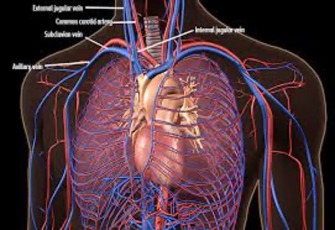
These studies exemplify the compromised abilities of smaller upper extremity muscles to utilize oxygen and clear lactate successfully due to lessor blood perfusion, smaller diffusion area and a greater diffusing distance, verses lower extremity groups (Calbet JA, Holmberg HC, et al. Why do arms extract less oxygen than legs during exercise. Am J Physiol Regul Integr Comp Physiol. 289:2005).
These concepts should direct coaches and athletes to devise training modes which enhance DP “durability”, namely specific lactate threshold workouts for the upper extremities (single sticking uphill!).
In order for the athlete to produce high DP force output for sustained periods of time, the energy system utilized must include oxygen uptake (VO2 max). Numerous studies have correlated elite level FIS points to an athlete`s VO2max and VO2 peak abilities (Rundell, Bilodeau, Gaskill, etc). Not surprisingly, studies reveal pronounced correlations between “max” (sustained) and “peak” (instantaneous) fitness and skier success, whether it be in sprinting or distance events (Staib J, Joohee IM, Caldwell Z (thanks Zach!), et al. J Strength Conditioning Research. 14(3), 2000).
Research looking specifically at DP induced oxygen consumption have even identified a ratio of VO2 “peak” to VO2 “max” of between 84-92% to support elite DP performance (Carlsson M, et al 2016, Nilsson JE et al 2004, Rud B et al 2014). Those are big numbers to sustain over time. These findings highlight the importance of high intensity DP training, even for distance specialists.
Given that DP proficiency is driven by anaerobic and aerobic pathways, what influence does fatigue of either system have on DP performance?
Studies point to a number of DP parameters altered by either repeated sprint bouts, or longer duration fatigue inducing skiing. Poling cycle length, rate, force and pole velocity all seem to be affected by fatigue, but in varying amounts (Stoggl et al 2006, Mognoni et al 2001, Van Hall et al 2003, Zory et al 2008). What seems to be more universally affected by fatigue is body position and kinematics during a DP “cycle” (tip impact to tip impact).
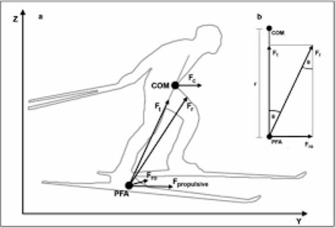
Zoppirolli et al noted a reduction in the center of mass (COM) displacement, via 2D filming during the 2017 Marcialonga 58 km marathon, taking video samples at 7 km and 55 km marks. Analysis of the 15 fastest male participants formed the data pool.
Late in the race, ankle angles increased as COM forward displacement decreased. Secondary to the COM deviation, the investigators noted altered arm angles at the 55 km mark. Specifically, there was a trend toward reduced elbow angulation (more extended) and elbow joint velocity in the early phase of the DP cycle. Correspondingly, greater shoulder angles were noted.
Zory et al found similar alterations in hip and trunk positioning (reduced COM movement forward) following sprint bout induced fatigue, but without measurable change in upper extremity characteristics (Effect of fatigue on double pole kinematics in sprint cross country skiing. Human Movement Science 28.2009). Smith et al 1996, Holmberg et al 2005 and others have highlighted the importance of trunk and hip flexion contribution to DP propulsion starting from an extended, upright preparatory phase (hands up, hips up).
High hip and trunk flexion angular velocities seem to correlate with faster double poling. With the onset of muscular fatigue, specifically the gluteal and back extensor groups, the high/extended pre-poling position is more difficult to attain, thus detracting from hip/trunk flexion angular speeds and the subsequent loading of planted poles. While fatigued, skiers operate from a more “collapsed” hip and trunk posture. Knees and ankles remained flexed to counteract the balance challenge of a COM “in the back seat”. This limits the ability to place the poles vertically prior to the onset of propulsion and abbreviates the net horizontal phase of pole loading which provides forward thrust.
It appears that whether fatigue is sprint or distance induced, trunk and hip activity is most consistently compromised. Training programs should contain adequate posterior muscle conditioning, both strength and endurance based, and rapid firing drills for the anterior musculature to help minimize this phenomenon. More on that later.
POLING FREQUENCY AND CYCLE LENGTH:
Years ago, a common coaching phrase regarding DP was, “95% of force production happens in the first 5% of the stroke”. Available data tells a slightly different story, but the concept of a rapid force development and quick turn over does appear to relate to ski speed,…. in some situations. This concept is not unlike those associated with other dynamic athletic movements in any sport. That said, both cycle frequency (rate) and length (duration) contribute to velocity in varying amounts.
Sandbakk O, et al looked at skiing strategies in 6 World Cup (WC) and 6 National Class (NC) Norwegian female athletes while treadmill skiing at variable inclines with either DP or DIA technique. They found the WC athletes adjusted their poling frequency to a greater extent, verses cycle length, to generate speed, compared to the NC athletes. Data indicated a “relative” increase in cycle length in the WC skiers as well, but as speeds increased, poling times were abbreviated and the rapid generation of poling force became more vital to velocity. The WC athletes were better suited to cope physiologically with the demands of maintaining a high cycle rate than were the NC skiers.
Interestingly, the same adjustments were not noted when DIA skiing. There was a more blended approach of increasing rate and cycle length in both groups, with the WC skiers being more successful in terms of speed production (The Physiologic Capacity of the World`s Highest Ranked Female Cross- Country skiers. Med Sci Sports Exer 2016).
Stoggl TL and Muller E collected data on 24 elite skiers while performing a maximal anaerobic skiing treadmill test using skating and classic techniques, including DP (Med Sci Sports Exer Jul 41 (7), 2009). Skiers improved speed across all techniques via an increase in cycle rate while trying to “maintain” their cycle length. This was easier for them to do in DP compared to DIA, or SK skiing. The investigators also noted a strong correlation between an extended swing phase duration (loading, preparatory phase) and one`s ability to maintain speed via effective thrust despite abbreviated loading phases.
In a DP specific study in 2009, Lindinger SJ, et al collected force production, kinematic and velocity data on 12 male elite subjects, roller skiing at 9,15,21, and 27 km/hr (-1) as well as at maximum velocity (Vmax).
They noted that both DP frequency and cycle length increased up to the 27km/hr mark, but thereafter poling frequency dictated velocity gains. Joint motion and angular velocities correspondingly increased with speed in an attempt to maximize pole force production in an abbreviated time frame. The investigators concluded that elite skiers employ a mix of cycle rate and length alteration to control sub-maximal speeds, with frequency playing a greater role at Vmax. Maximum speed generation was further assisted by rapid force development. (Control of speed during the double-poling technique performed by elite cross-country skiers. Med Sci Sports Exer. 41(1) 2009).
Terrain also plays an obvious role in DP technique, rate and cycle length. Stoggl and Holmberg compared the biomechanics of 13 male elite skiers as they double-poled at “moderate” and “high” speeds on a treadmill which was either deemed flat (1 deg) or inclined (7 deg).
They found skier “swing” times were much shorter (48%) when skiing “uphill” indicating the utilization of higher frequencies. Peak pole forces were, not surprisingly, 13% higher and occurred 68% later in the poling cycle. Force “impulse” throughout the phase was substantially higher at +87-123% max and directionally oriented 18% more efficiently for propulsion (vertical to horizontal). In general knee, ankle, elbow joint positions were more flexed, shoulders less flexed and less abducted, and torso positions more upright.
Center of mass (COM) raised 25% higher with DP up the incline. Pole plant timing was synchronized to the maximal COM apex, which was not noted while skiing on “flat terrain” (Double-Poling Biomechanics of Elite Cross-Country Skiers: Flat verses Uphill Terrain. Med Sci Sports Exer. 2016). Skiers in this study utilized a higher frequency and more powerful postures and movements to “climb”, again highlighting the need for extreme fitness.
POLE LENGTH AND STIFFNESS:
This one is fairly straight forward, longer poles generate more speed. The question becomes at what point does length and swing weight (too much or too little) impede an individual`s anatomically driven kinematics and technique.
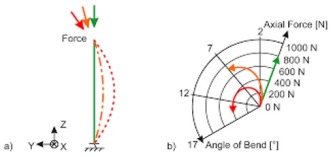
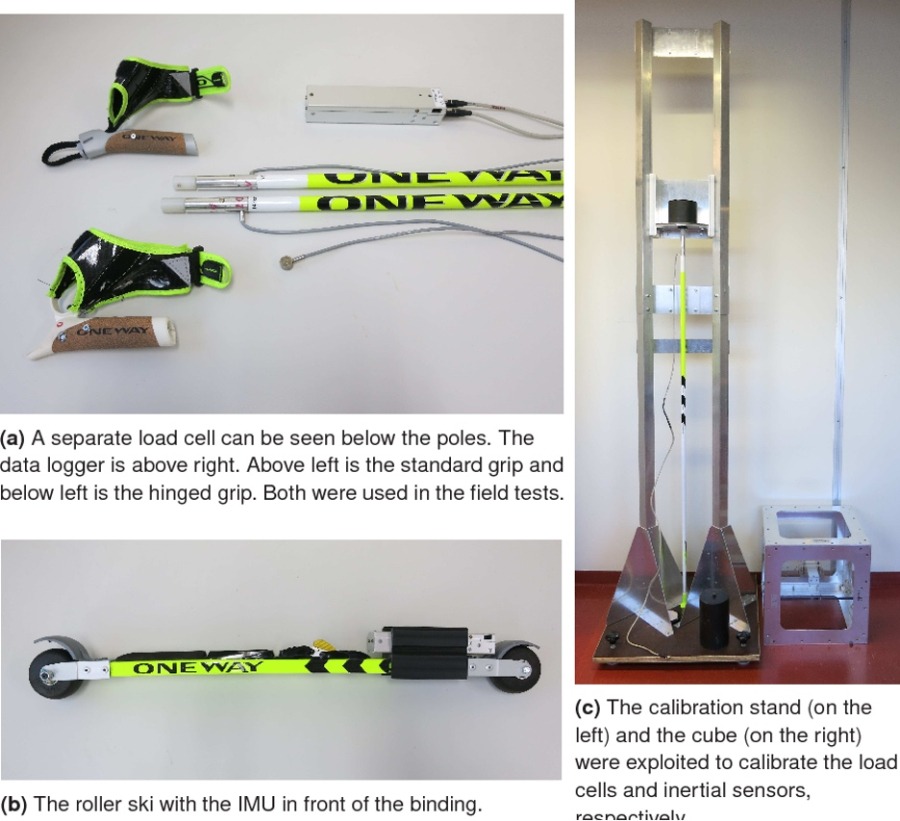
The science of a pole`s contribution to DP performance is primarily limited by quantifying structural load in real life skiing applications. Measuring load to shaft “toe” (material peak load tolerance) and subsequent structural failure in a lab setting is straight forward via machine induced stress, but the influences of lateral deflection, the strap and the rate of force application are more nebulous.
Indwelling load cells and 3D filming have improved our knowledge of ski pole characteristics, but despite the focus on DP technique in modern skiing, much less data is available specific to poles than that for skis, grinds, waxes, etc.
(Nikkola A, et al 2018)
Skiers generally “self- select” classic poles that are 83-85% of their height and skating poles 90% their height (Inter Sports Engineering Assoc, 2013). Pole self-selection certainly involves a subjective component likely driven by; individual morphology, technique strengths or weaknesses, DP phase postures, historical coaching input, terrain characteristics, brand and materials (particularly baskets which greatly affect inertia), and perception of swing weight and flow.
Most studies compare force production and skier speed/velocity when utilizing significantly shorter or longer poles as compared to the subject’s self-selected length (7.5 cm +/-. Nilsson 2003, Hansen 2010), so there is a “grain of salt “component involved here.
The Nilsson study involved a force plate to measure force impulse and thrust duration during a maximal DP effort on roller skis. He found that longer poles allowed for the heightened production of velocity and a larger anterior to posterior reaction impulse resulting in forward acceleration. The author acknowledged that data was based on a single maximal pole plant effort, on roller skis, and cautioned the transfer of his results to snow skiing.
Hansen EA and Losnegard T elected to expand on Nilsson`s work and move a study to snow (Pole length affects cross-country skier`s performance in an 80-m double poling trail performed on snow from standing start. Sports Eng, 12, 2010). They found subjects (n=8) performing max effort DP over 80 meters were 0.9 + - 0.7 % faster with longer poles (7.5 cm above self-selected) and 1.2 + - 1.0% slower with short poles. The majority of this variation occurred in the first 20 m of the trial, so an “apples-to-apples” application to distance events is difficult.
Also, the length of pole utilized did not affect either cycle rate or duration, indicating skier technique adjustments to accommodate variations in swing weight and ground clearance. Additionally, from a subjective perception standpoint, 7 out of the 8 skiers noted improved velocity with long poles but only 4 of the 8 ranked long poles as fastest over 80-m. Three subjects ranked self-selected poles as fastest.
These results represent the proficiency of motor learning as well as the need for adequate adjustment time when a skier changes pole length to acquire the right “feeling”. The data was collected at Vmax efforts and translation to distance efforts requires more study.
More recently, a 2018 study by Carlsen et al looked at the metabolic cost of various pole lengths when treadmill DP skiing on “low” incline (1.7 deg) and a “moderate” incline (4.5 deg) (Pole lengths influence O2-cost during double poling in highly trained cross-country skiers. Euro J Applied Phys. 118, 2018).
Thirteen “highly trained” male skiers skied at a sub-maximal pace for 8 trials. Four pole lengths were investigated; self -selected (SS), SS -5 cm, SS +5 cm, and SS + 10 cm. Results showed a significant decrease in O2 consumption when skiing on low incline with long (SS + 10cm) poles and no difference for the other pole lengths. Variations were more measurable when the skiers moved to the 4.5 deg incline. There, O2 cost was greatest for SS -5cm and then, SS, SS +5 cm and finally SS + 10 cm. Again, counterintuitively, there was no measurable variation in cycle length, or poling, or swing phases. A smaller “total” vertical displacement of COM was noted with the SS +10cm poles, perhaps due to the lesser need to fully flex the torso to generate forward thrust and a more consistent high hips position throughout the cycle phases.
This study was completed at sub-max intensities so one may transfer the concepts to distance skiing.
Other studies provide us with insight into DP such as; faster skiers tend to bend the poles “latter” and “longer”, taller skiers have the advantage of using longer poles, heavier skiers may get more energy return from their poles and lateral displacement/bend of a pole shaft upon loading is not associated with speed (Stoggl T and Holmbeg HC, 2011).
POWER GENERATION:
Biomechanical analysis of the worlds` best skiers has dominated the research for years. Everyone wants to know “what makes them so fast?” For the purposes of this article let`s touch on the points most relevant to coaches and athletes.
Double-pole skiing must include the whole body.
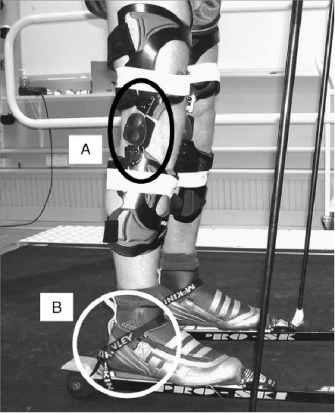
Holmberg HC et al noted a 7.7% reduction in VO2 peak, a 9.4% reduction in Velocity max and a 11.7 % quicker time to exhaustion while DP treadmill skiing when they “braced” participant`s (n=11) ankles and knees, disallowing movement at those joints. Heart rate (HR) and lactate concentrations where also recorded as higher without a change in O2 consumption at sub-maximal efforts. Kinematically, they noted a 13.6% higher poling frequency, a 4.9% shorter poling phase, a 13.3% shorter recovery (swing + prep) phase and 10.9% lower pole force when attempting to ski at 85% Vmax from a locked position (Contribution of the legs to double-pole performance in elite cross-country skiers. Med Sci Sports Exer.2006).
The dynamic contribution of ankles, knees and hips are inherently linked to fast and efficient DP skiing. This is of course dependent on having a stable foundation from which to generate force. The link between core, lower extremity and upper extremity muscle activity appears to be sequential in nature; slow to fast, central to peripheral (Henneman et al 1965).
In a comprehensive study published in the journal of the American College of Sports Medicine in 2005, Holmberg HC, Lindinger S, et al gathered data on; ground reaction forces, joint angles, cycle characteristics, muscle electromyography (EMG) and velocity on 11 elite skiers while double poling on a treadmill at 85% of their max DP abilities. I believe it to be a must read for coaches and athletes who want to gain an understanding of DP mechanics and make relevant changes in their conditioning routines and technique suggestions (Biomechanical Analysis of Double Poling in Elite Cross-Country Skiers. Med Sci Sports Exer.37 (5) 2005).
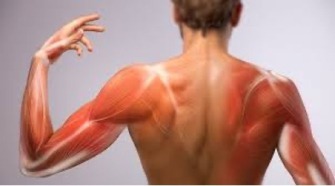
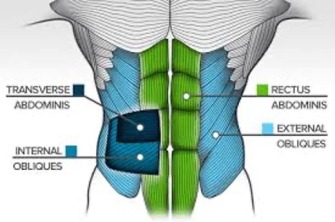
The information provided by this study is extensive. EMG data obtained from numerous core, upper and lower extremity muscle groups indicated levels of activation as well as specific patterns of utilization based on the phase of the poling cycle. Muscles with the highest activity as a percentage of maximum volitional contraction (MVC) included; abdominal groups of Rectus Abdominus and the Obliques, Teres Major (posterior shoulder), Lat Dorsi, Pec Major and Glut Maximus.
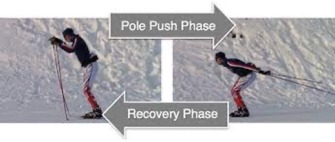
Regarding the sequence of activation, muscle contractions occurring as the skier was in the second half of their Recovery Time (RT), or the preparatory/ pre- loading phase, were closely analyzed. The total RT was noted to be 2.8 times longer than the actual poling time. All of the following muscles were active during the preparatory phase but heightened their EMG output at various points in the overall poling cycle. The first muscles to “turn on” were the abdominals, the Rectus Femoris (long quad muscle and hip flexor) and the posterior shoulder groups. They remained active until the midpoint of poling. Hip flexors became very active immediately prior to pole strike with simultaneous, but lesser, activity from the pec, latissimus dorsi and gluteus max muscles. The Triceps Surae became very active at pole plant and was the last muscle to “turn off”, just prior to the conclusion of propulsion.
This is an oversimplification of the firing patterns of major muscle contributors to propulsion, but it does exemplify the central to peripheral, slow to fast twitch trend exhibited by elite DP athletes, specifically, core positioning and stabilization, followed by powerful movements off that platform.
Joint angular speeds (how quickly a joint completes its range of motion) of the trunk, hips and elbows corresponded to either force application or re-posturing phases (i.e., “crash down”, “hips up “, “quick hands”, “get full extension”).
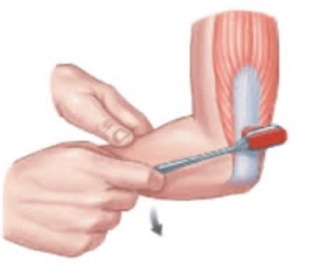
Regarding joint positions, most notable was the timing of maximal elbow flexion (bend) at the end of the RT/ prep phase The skiers (sub-consciously) placed a quick stretch on the triceps to stimulate the Stretch Shortening Cycle (SSC) mechanism of the muscle. This neuromotor reflex adds to fiber recruitment and speed of contraction via bypassing the brain`s motor cortex.
This is the same mechanism stimulated by plyometric training. The shoulder extensors and core muscles likely also benefit from this pre-loading movement, although not specifically evaluated in this study.
Video analysis also identified two distinct “styles” of DP technique, “wide” or “narrow” elbow positioning. “Wide” (style A) elbow skiers (n=6) presented with more abducted shoulders, more elbow flexion at pole plant, overall, more distinct hip and elbow flexion and appeared to use more dynamic movement.
“Narrow” (style B) elbow skiers (n=5) exhibited the reverse characteristics.
Style A skiers had lesser pole impact force immediately at strike than did B skiers, but by approximately 1/3 of the poling phase, had developed much higher peak pole force, had a faster time to their peak force and generated “peak” force longer than did style B skiers. Hoff et al (1999) and others have positively correlated a short time to peak pole force to work economy, although no such relationship was found in this 2005 study. Style A skiers were the faster athletes of the group, but there is a metabolic cost to skiing with such dynamic movement patterns. Athletes must be physiologically prepared to utilize style A.
The delay in the onset of peak force shown by A skiers is likely related to what is known as the “amortization phase” of a SS stimulated muscle contraction. Neuro-motor “priming of the pump” takes a bit of time. Pre-activation of muscles such as the triceps, lats, posterior stabilizers, etc., accomplishes two things. First, the heightened activity dynamically “stiffens the joints about to receive the external load and second there is a more pronounced concentric contraction when initiated. Repetitive activation of this system likely also increases the sensitivity of the intramuscular spindle fibers and promotes motor learning (Matthews 1969).
Lindinger and Holmberg followed up the 2005 study with a 2009 work published in the Eur J Physiol which focused primarily on triceps EMG activity during increasingly high velocity DP skiing on a treadmill (Changes in upper body muscle activity with increasing double poling velocities in elite cross-country skiing).
They analyzed various shoulder muscles but noted that the triceps in particular produced high EMG activation corresponding to early preparation phase (elbow flexion) and was able to quickly “discharge” (short amortization phase) a vigorous extensor contraction even at increasing joint angular velocities.
In the 2005 study, skiers B, carried narrow elbows with less flexion/extension range throughout the poling phase and generated propulsive forces for a longer overall time frame. They skied with relatively more extended elbows and therefore were less inclined to stimulate a pronounced SSC of the triceps. They had higher activation of their lat dorsi muscle and placed lesser demands on their core and triceps (per EMG readings) by not activating the SSC as vigorously. The lat dorsi became a prime locomotive mover in this group as they exhibited a less overall dynamic style with lower hip, knee and torso angular movements. This trend necessitated more sustained work output from the lats.
Perhaps “wide” elbow skiers are better velocity generators (sprinters) and “narrow” elbow skiers may be more adept at distance, given they generate less peak force, but extend their poling time for any given cycle and are more measured in their core utilization. It is difficult to generalize skiing technique. There are many anatomic and physiologic variables. Skiers tend to gravitate toward technique that proves faster and more efficient for them. A coach’s job is to use science to temper what they see, not completely unravel what “feels” natural to the skier.
A final point regarding power generation while double-poling involves the relative length of the RT/preparatory phase. Coaching cues such as “ski big”, “long is smooth, smooth is fast” and “get up to get down” are not without merit. As it turns out, faster skiers tend to utilize longer cycle lengths, longer pole swing and less inclined poles at plant and delayed peak pole force (Stoggel T, Holmberg HC. Force interaction and 3D pole movement in double poling. Scand J Med Sci Sports. 21: 2011). Stoggel and Holmberg noted the strongest relationship to Vmax was the duration of the “preparation phase”. Also, horizontal pole forces were not more important to Vmax than overall resultant pole force, and neither was impact force.
What did matter at high-speed skiing in these subjects (n=16), was the pole force characteristic within the ENTIRE poling cycle, pole behavior during swing (ie speed of recovery), energy return from the pole and relative vertical placement at pole plant. So much for the saying, “95% of force production happens in the first 5% of the stroke”. In this study, an overly aggressive pole impact was associated with less resultant pole force overall and less mechanical energy return from a ski pole experiencing two separate peak bending episodes, verses a singular, delayed peak noted with the fastest skiers. Smooth is fast.
That’s a lot of info! Hopefully knowing the “why” of DP postural and action cues will enhance the athlete`s acceptance, recall and utilization of efficacious technique while skiing.
In part two, we will look at common DP technique flaws and specific corrective exercise activities to enhance performance.