Stay Healthy DuRing The WinteR
By Andy Newell
Being a successful skier and staying healthy go hand in hand. Our sport is so physically demanding that a skier at any age can have a weakened immune system from intense training, racing, or travel and easily succumb to illness. The Covid-19 pandemic has taught us a lot about staying healthy and what we can do to protect ourselves. I think wearing a mask on travel days and in over-crowded areas will be a standard mitigation strategy in the future.
With a somewhat normal race schedule ahead of us this winter, skiers are bound to catch a cold at one point or another but taking some preventative care measures can greatly reduce an athlete's risk of getting sick. Furthermore, what an athlete does WHILE they're sick can have a lasting impact on their season-long performance.
One important piece of information I try to teach young skiers is that we should never train or race when we are sick. A skier will never race to their potential even while fighting the smallest of colds and continuing to race or exercise when you are sick can have long lasting negative effects on your fitness. It’s a tough lesson for any skier to learn but being honest about your health and taking time to fully recover before intense activity will only lead to increased fitness in the future and longevity in the sport.
I'll be the first to admit, this is not easy. Nordic skiers are perpetual over-achievers and the thought of taking an extra off day is a hard pill to swallow for most elite athletes. I can tell you from experience that athletes who are good at listening to their body and have the confidence to sit out practice at the first sign of poor sleep, itchy throat, or just feeling off will achieve a higher level of fitness in the long run.
My general rules:
- On the first onset of cold symptoms, take a day off
- If symptoms worsen, take a day off
- If after a few days symptoms are improving, light low intensity active recovery exercise is ok
- No intervals, strength, or high intensity training until a skier is completely symptom free for two days.
An important lesson to learn for young skiers is that training while you are sick is simply not helping you. If anything it is prolonging your cold and could force an infection into your lungs or worse.
There are however plenty of things skiers can do to fight off sickness during the winter. Disclaimer: I am in no way a medical professional:) But I have, along with many other World Cup skiers, learned a few tricks to staying healthy that I think are super valuable during the winter. A lot of these habits are ones we don’t take too seriously during the off season or Fall but once the race season rolls around it’s very common for skiers to be more self-aware and do everything we can to prevent sickness.
At this point in the pandemic we've heard everything there is about hand washing, distancing, and masks. These are all worthwhile mitigation strategies to fight the common cold as well. In addition to preventative care elite level athletes should try to avoid risky situations when their bodies are under considerable load. This means using some of the strategies below before travel, after races, and when athletes are in heavy bouts of training.
Watch your hands– One of the things I vividly remember from my first Olympic Games was standing in the dining hall in the Olympic village and realizing that thousands of athletes from all around the World were going in and out of the same door every day. Touching the same door handle, grabbing the same railings, and touching the same serving utensils. Once you get over the grossness of it you begin to train yourself to avoid this contact. Sliding your sleeve over your hand to open a door, hitting the elevator button with your elbow rather than your hand, avoid holding onto railings, all these things that sound neurotic but for a skier that needs to stay healthy can be very helpful.
Another habit that skiers can easily train out our winter routine is how much our hands come in contact with our face. This means trying to avoid eating food with our hands but also realizing how much we rub our eyes, touch our noses, bite a finger nail, all these things are the number one way to contract a cold or illness and can be avoided just by being more aware. While traveling the World with a big team this is one of the biggest things to be aware of.
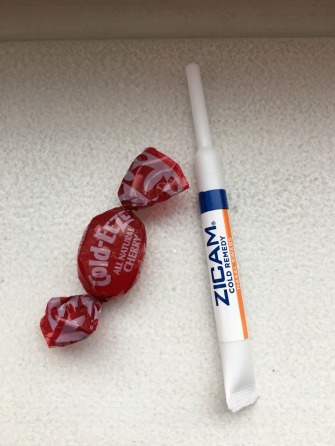
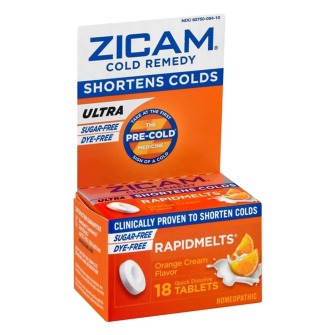
Zinc up– Looking for a super scientific explanation of the benefits of zinc? Ask your doctor. But I can tell you that preemptively using zinc before and during travel days is one of the best ways to avoid sickness for an athlete. The most common way of picking up a cold is through your nose and mouth but by coating your nasal passageways with zinc. This can greatly decrease the chances of a rhinovirus attaching and multiplying in your system. This becomes even more important during the winter when our airways are additionally compromised from intense race breathing. I like to use the Zicam nasal swabs in the morning before travel days and again once I get to my hotel or destination. Even if I'm not fighting a cold I will use a few zinc drops during the travel day for preventative purposes.
Supplements:
I don't want to offer any specific medical advice here so I think it's important that all elite athletes talk to their doctor about potential supplements and get a blood draw at least once per year. In my experience while traveling to some extremely dark and cold areas of the globe is that a minimal vitamin D supplement is a good idea for most athletes. Starting in November when the days get shorter I will start supplementing with a daily vitamin D and the occasional fish oil because it makes me feel like a Norwegian Viking. Other supplements I have tried and recommend are daily amino acids for recovery and overall health.
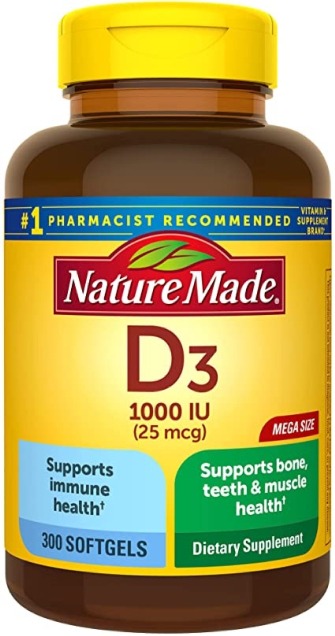
Sleep is king– Sleep and not stressing is really your best line of defense against illness while traveling for ski races. Even a couple hour time change within the continental US disrupt how we feel. I don’t use or recommend any true sleep medication, but I do supplement with vitamin D and melatonin when traveling over several time zones. Waking up pretty early, taking vitamin D in the morning, and getting out the door for some exercise will all help your body create serotonin and make you feel more awake. Combine that with a small dose of Melatonin at night for the first several days in a new time zone and your circadian rhythm will normalize MUCH quicker. No need to hit the hard stuff.
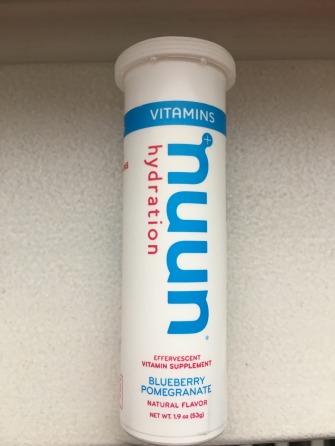
Hydration– It’s easy for less experienced skiers to take down a lot of water to hydrate OR sugary sports drink. A better option is finding an electrolyte mix you like that is low in sugar but will still hydrate you for daily, non-training use. Nuun makes a lot of good options as well as Skratch. It’s a great idea to make sure you are hydrated especially during times of travel and racing when your immune system will be compromised. Rehydrating directly after your competition before you hit the road is the best strategy.