
Building Common Team Goals
Autumn is when a lot of school teams, collegiate programs, or training groups begin meeting regularly for group training. Although the season might seem far off at this point establishing team goals should be a top priority to foster a productive training atmosphere moving forward. Without common goals a ski team just becomes a group of athletes with their own agenda, which can suffice for a while but will be unproductive as the race season approaches.
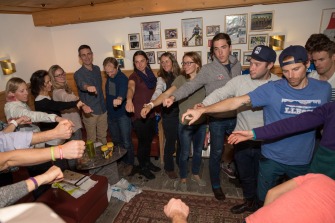
Coming up with common goals for your team or training group might sounds pretty straight forward but making sure each individual buys into the process can be a different story. Sometimes using a method that identifies group goals and individual goals is a great way to cement this trust.
Exercise:
On a piece of paper each athlete writes 5 things they are good at and 5 things they feel they could improve on. These can range from super specific to broad
Example:
I’m good at
- Classic striding
- Long distance workouts
- Core strength exercises
- Running
- Being on time for practice
I can improve
- Sprinting
- V1 technique
- My sprint finish
- Staying healthy
- Double-poling
Now go around the room and everyone can share the 5 things they would like to improve. Have a coach or someone else write down everything that is mentioned into one big list. What you will likely see is that there are a lot of duplicates. For example you might have a few athletes who all feel like they could improve on the same or similar thing. If so indicate those at the top of the list.
Example: Our team would like to improve on
- Improve V1 technique (5 people)
- Improve Sprinting (4 people)
- Become stronger double poling (3 people)
- Improve endurance (3 people)
- Stay healthy during the season (3 people)
- Improve Sprint finish (2 people)
- Uphill classic skiing
- V2 power
- Pull-ups
- Agility and cornering
- …
- …
- …
This is a great way to show there are a lot of common, shared goals within the team. It helps athletes recognize the importance of strong teammates who share common goals. The power of cooperation. What we have done here is identified what can clearly be turned into TEAM PROCESS GOALS that everyone can take ownership of. Take the top 5 most common improvement goal and transform them into specific Team Process Goals.
Team Process Goals
- Improve V1 through group technique sessions, no pole skiing, and focusing on skate uphill intervals once on snow.
- Incorporate 1 sprint specific workout into each of our training camps to improve sprinting
- Have 1 team double-pole specific workout per week
- Have fun long distance cross-cross training sessions to improve endurance
- Make sure everyone is proactive about team health during the season. Lots of sleep, washing hands, being honest with your teammates when you are sick.
Take some time to walk down the list and talk about the improvement goals that didn’t make it into the common top 5. (This is where each athlete’s things I’m good at list comes into play) For every improvement goal that didn’t make it onto the Team Process Goals list there will likely be someone on the team who listed something similar as one of their strengths. Talk about the specific ways and the particular workouts that individual team members can work together to use each other’s strengths to improve one another’s weaknesses. Emphasis that everyone on the team brings something to the table. There is one simple fact that will always remain true in ski racing: When your teammates improve, you improve.
Takeaways:
Realizing that everyone on the team has things they would like to improve on and that there is someone else within the team that can help them achieve that goal. Everyone has different strengths and weaknesses.
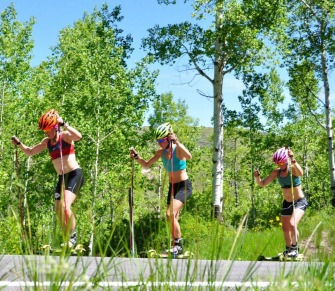
By identifying 5 team wide common goals the group can now be more focused when improvement opportunities arise. Review the team process goals before training camps so that everyone is reminded of what to work on. Reviewing team process goals will also keep the list fresh in atheltes minds and encourage everyone to be more accountable with their own training.