
Final Prep FOR World Masters
Tips for Travel and First days of training for World Masters Championships in Seefield, Austria
By Betsy Youngman,
The travel to Europe is long, especially from the Western United States. So here are a few tips to make the travel less stressful while allowing the extra time to train, rest, visit with family, friends, and well-wishers before leaving for the Championships.
Packing Tips
To reduce stress, I like to begin packing my bags the week before traveling. By starting the process early, one can identify all the last-minute items that might otherwise be forgotten. It also gives one time to fine tune the critical items (such as ski boots) that need to go in one’s carry-on bag, and generally pack the minimal amount of stuff.
As Masters, we don’t have the luxury of world-class wax trucks and ski technicians, so allow time the week before the races to select the best skis for the conditions. View weather predictions and web cams to gain knowledge of what is most likely to occur at the venue. This year the race courses in Seefield can be viewed at: https://seefeld.panomax.com/seekirchl
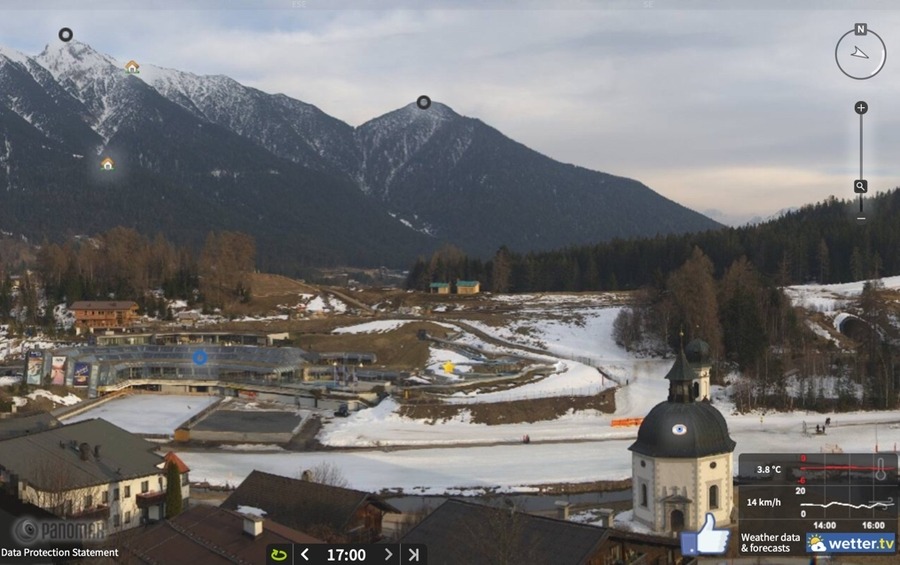
Getting one’s skis travel waxed and poles carefully padded requires a little extra time too. Be sure to include some basic waxing equipment in your gear bag, including travel vices, if you have them. Avoiding a late last night of packing before a long day of travel is very important to getting to the venue with good energy.
On the Flight
My trick for adjusting to the time change begins with changing my watch and sleeping on the plane. I forgo the meal, get as comfortable as possible, and sack out. I use my carry-on bag to keep my legs supported and take off any constricting clothing and shoes (pro hint: pack lightweight slippers in your carry-on). I suggest that if you are awake, get up a walk around several times during the flight to keep circulation moving.
First Days in Europe
After an all day and all-night flight to Europe, one’s circadian rhythm can be turned upside down. Drink liquids and eat the first meal of the new day, including proteins, in the new time zone. Stay awake all afternoon and take a jog or walk before dinner time. Go to bed at the normal bedtime in the new time zone.
The first ski in the new time zone should be an easy 1-1.5 hours. Use the ski to shake out your body and get out in the morning sunlight, which will help with any jet-lag. Include some course preview and be sure to locate how to get in and out of the stadium, where the bathrooms and bag drop are located and any other details of the stadium layout. Take time in the afternoon to do initial ski preparation and rest!
The day before the races begin, get out and do a few light intervals, totaling about 15 minutes of “on” time. Again, if possible, do these on sections of the course that will challenge you technically. Skiing small segments of the course at full speed helps one to be both mentally and physically ready on race day. Typically, we will do 4, 3, 2, 2, 2 minutes at increasing intensity. Review the lap and finish areas – we’ve seen racers get confused with the course layout and lose tight races. Not something one wants to have happen at a championship event.
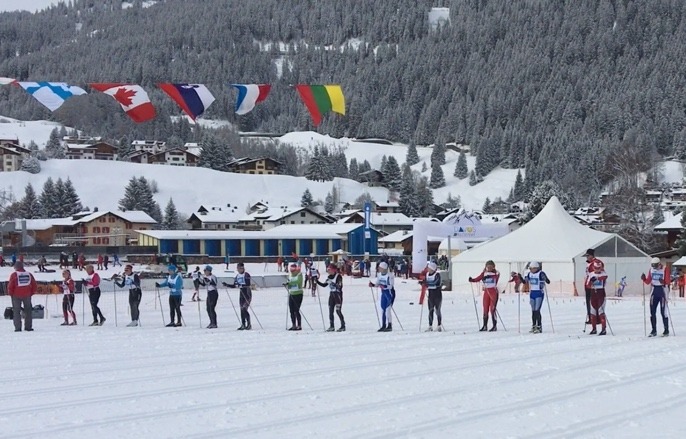
Be ready to race on race day and don’t forget to take in the European scenery and have fun!
To stay loose after races, I suggest 20 minutes of active recovery in the afternoons after races. This can include: walking, jogging, stationary biking, or swimming. On the “off days” between races, we will do a short ski to view courses and select skis.